
Blog category
Blog: aesthetic medicine
Treatments carried out by a doctor: qualification, course of the procedure, limitations of the methods and the real scope of change.
15 posts in this category. Each article has a publication date and a date of last review.
· verified
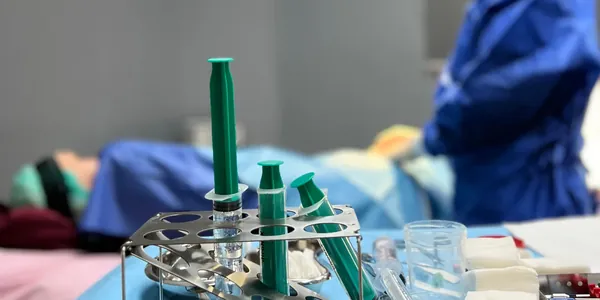
Fat transfer or hyaluronic acid, how they differ
One method transfers the patient's own tissue, the other introduces a preparation. They differ in durability and in the course of healing.
· verified
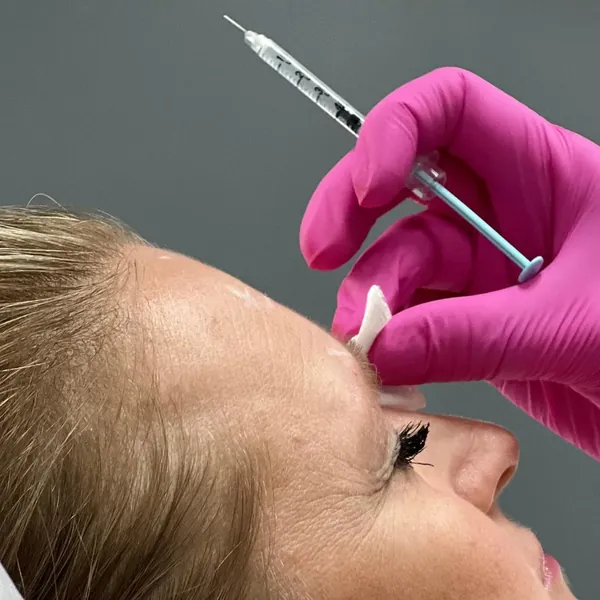
Botulinum toxin in powder and in liquid form
The form of the preparation concerns preparation at the practice, not the mechanism of action. What actually determines the result of a treatment for expression lines.
· verified
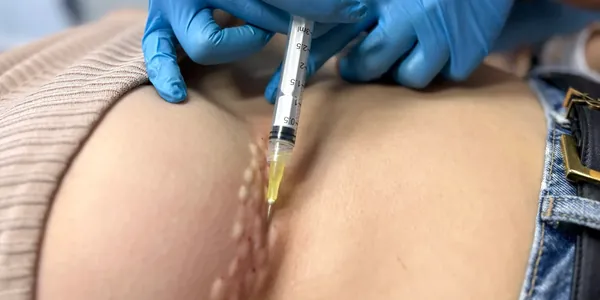
Three treatments for scars: microneedle mesotherapy, CO2 laser, tropocollagen
The type of scar determines the method. Atrophic scars are treated differently from hypertrophic and keloid scars, and the aim of therapy is to reduce visibility, not to remove the scar.
· verified
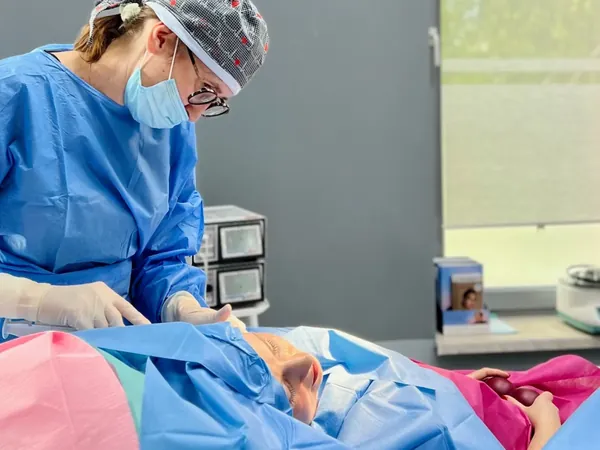
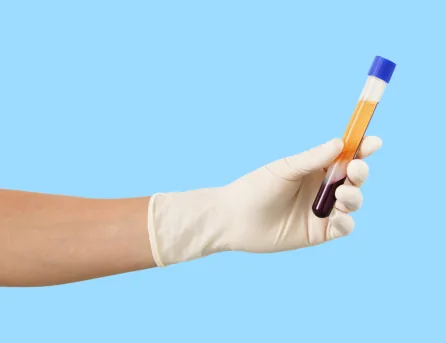
Chin liposuction or injection lipolysis, how they differ
In one method, fatty tissue is removed with a cannula, in the other it is broken down with a preparation given by injection. They differ in invasiveness, healing and the number of visits.
· verified
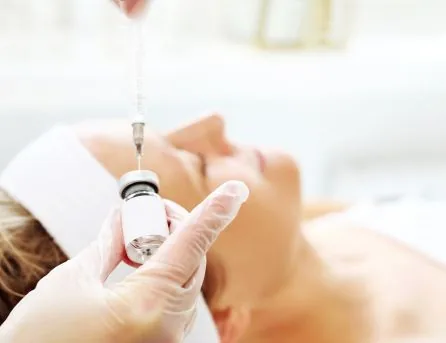
The vampire lift, that is platelet-rich plasma, what lies behind the name
The name is a marketing term and only tells you that the material used for the treatment is the patient's own blood. The mechanism, the collection process and the limits of the method.
· verified
Tropocollagen and the fractional CO2 laser, why combine these two methods
Tropocollagen is the starting molecule of collagen. Why it is delivered into the skin rather than applied on top, and what this means for a fractional treatment.

· verified
Aesthetic medicine for men, what is different
The methods are the same, the parameters differ. Thicker skin, stronger facial muscles and a different ageing pattern change the dose, the technique and the plan.

· verified
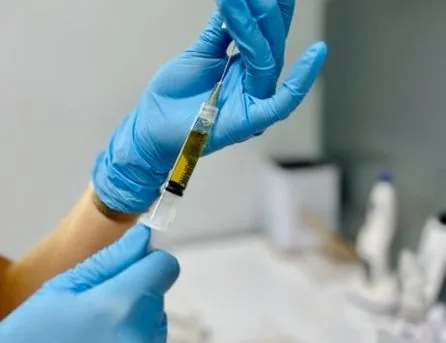
A skin booster, what it is and how it differs from a filler
Skin booster is the name of a treatment category, not a preparation. It works on hydration and skin quality, not on volume, and that is where the line runs against fillers.
· verified
Exosomes and platelet-rich plasma, how they differ
Plasma comes from the patient's own blood and is given by injection. Exosomes are a ready-made preparation, applied after a treatment that creates microdamage.

· verified
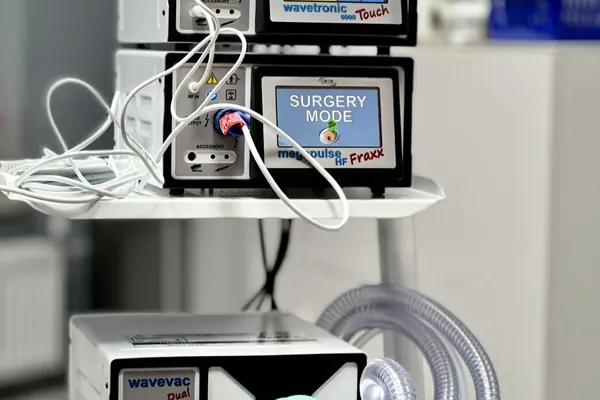
What a remodelling treatment means
Not filling and not relaxing a muscle. Controlled damage, after which the skin rebuilds itself, at its own pace, over weeks.
· verified
Histopathological examination of a skin lesion, how long you wait for the result
Not every method of removing a lesion allows material to be taken for testing. What happens to the specimen and what the sequence looks like after the treatment.

· verified
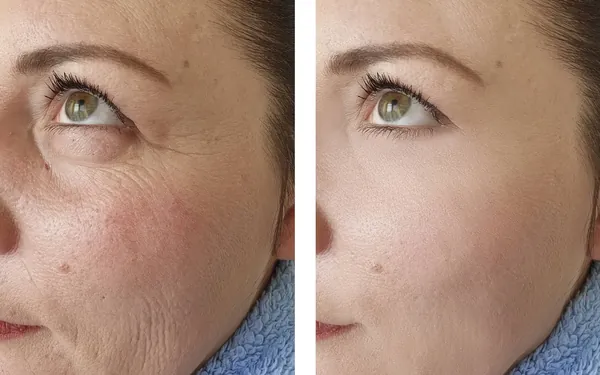
Neck and décolletage, how work in this area differs from the face
Thinner skin, no bone support and constant movement of the area. This means smaller doses, shallower administration and more cautious parameters than on the face.
· verified
Tissue stimulators or fillers, how they differ
A filler restores volume straight away, a stimulator prompts the skin to rebuild over time. This determines when each method makes sense.
· verified
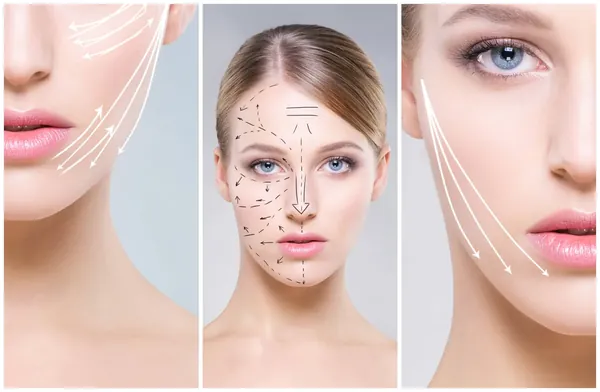
PDO lifting threads, how they work and when they are considered
Threads can support tissue and trigger skin remodelling. They do not replace a surgical facelift and are not a solution for everyone.
Not sure where to start
Blog content is for information purposes only. What makes sense in a particular case is decided by a skin assessment at the consultation.