
Aesthetic medicine
Fat transfer or hyaluronic acid, how they differ
Both methods allow selected areas to be shaped and filled, but they use different material and behave differently in the tissue. The difference concerns precision, durability and range of applications.
Published 14 November 2024. Last reviewed 16 August 2026.
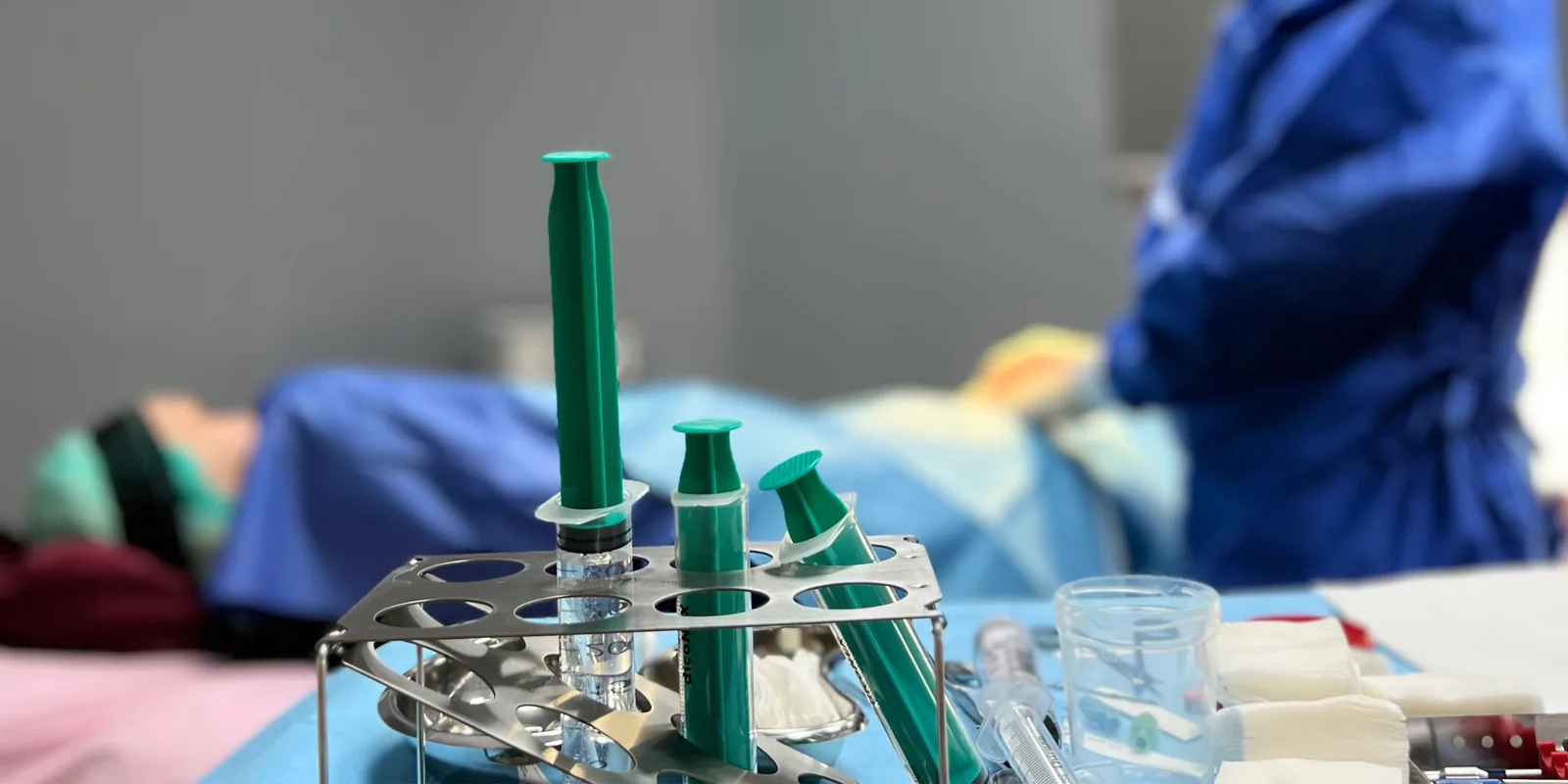
Lipotransfer, that is the patient's own material
Lipotransfer involves taking fatty tissue from one area of the body, preparing it, and transplanting it into the area requiring correction. Because the material is the patient's own tissue, it does not trigger an allergic reaction or rejection. This does not mean the treatment is free of risk, because it remains a surgical procedure with its own course of healing and possible complications.
Part of the transplanted tissue is reabsorbed in the first months. The volume that takes hold continues to behave like the patient's own tissue. The durability of the effect is individual and depends on the area, the harvesting and preparation technique, and the body's response.
A separate feature of the method is that the material is taken from an area that requires slimming anyway, for example the abdomen or thighs. The fat volumetry treatment therefore combines two goals in one procedure.
Hyaluronic acid, precision and reversibility
Hyaluronic acid occurs naturally in the human body. Preparations used in aesthetic medicine are produced biotechnologically and stabilised so that they remain in the tissue longer. They are administered in gel form, which allows precise shaping of small areas of the face: the lips, nasolabial folds or individual wrinkles.
The advantage is an immediate change in shape, visible right after the treatment, and the ability to work in areas that require high precision. The filler undergoes biodegradation, however, so the effect is temporary and usually lasts from a few to a dozen or so months, after which the treatment is sometimes repeated. For some patients this is an advantage, because it allows the effect to be adjusted over time.
Comparison of differences
Fat transfer versus hyaluronic acid: the differences
| Feature | Fat transfer | Hyaluronic acid |
|---|---|---|
| Material | The patient's own fat tissue | A hyaluronic acid preparation made biotechnologically |
| Procedure | Harvesting, preparing and injecting the tissue, a longer procedure | Injecting the gel with a needle or cannula, a short visit |
| Durability | Part of the material is absorbed, the rest behaves like your own tissue | A temporary effect, usually from a few to more than ten months |
| Precision | Work on larger volumes | Work on small areas that demand high precision |
| Side effect of the procedure | Contouring of the area the tissue was taken from | The result can be corrected and adjusted at the next visit |
| Healing | Longer, with swelling and bruising in two areas | Short, usually back to normal activities the same day |
What qualification looks like
Both methods have their place and do not compete with each other. Lipotransfer may be considered where more volume is needed and using the patient's own material matters. Hyaluronic acid works well for finer corrections, where precision and a quick application matter.
The doctor chooses the method during the consultation, after assessing the anatomy of the area, the patient's health, medications taken and the aim of treatment. They also take into account how much time the patient has available for healing. The decision is not about methods competing with each other, but about matching one of them to a specific situation.
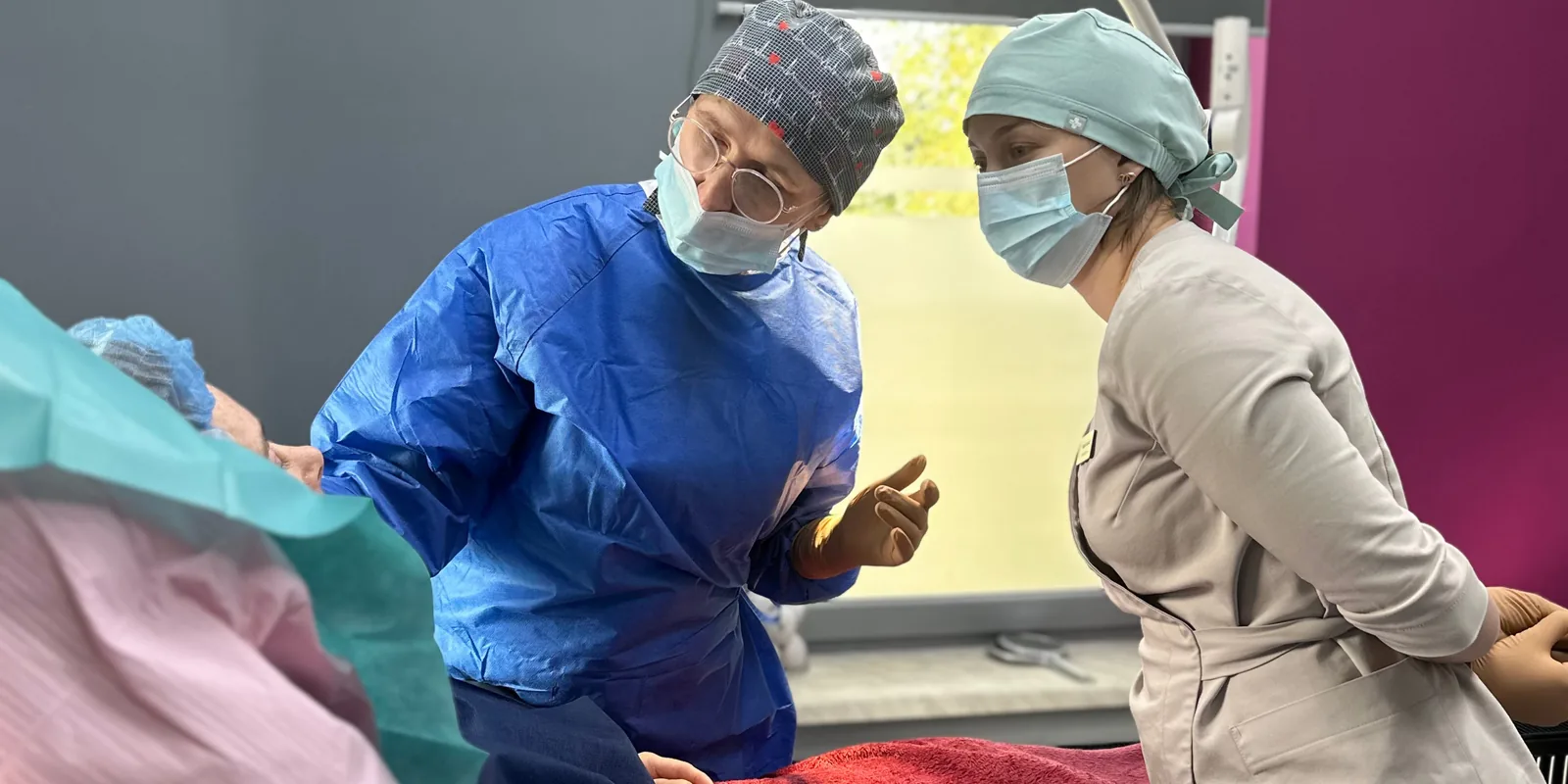
About this text
This text was prepared by the NL Clinic team. Published on 14 November 2024, verified on 16 August 2026.
The content is for information and does not replace a consultation.
Doctor's consultation
The assessment made at the practice decides which method suits a given area and aim. During the consultation we also discuss the course of healing and what the given method will not do.