
On this page
How radiofrequency works
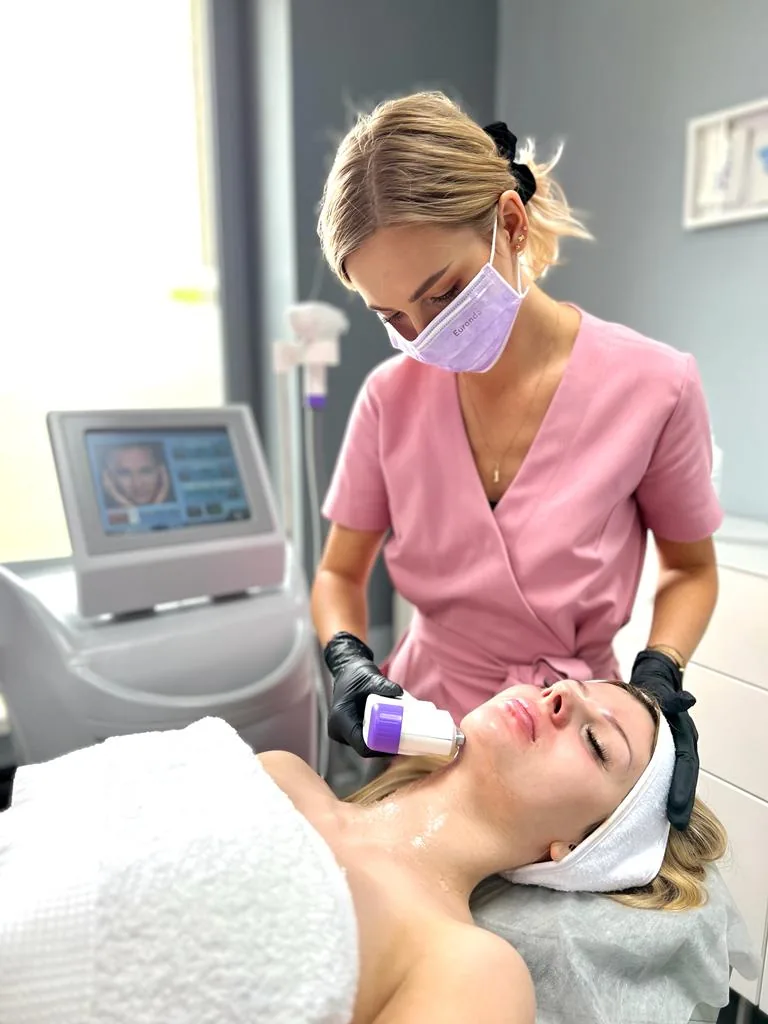
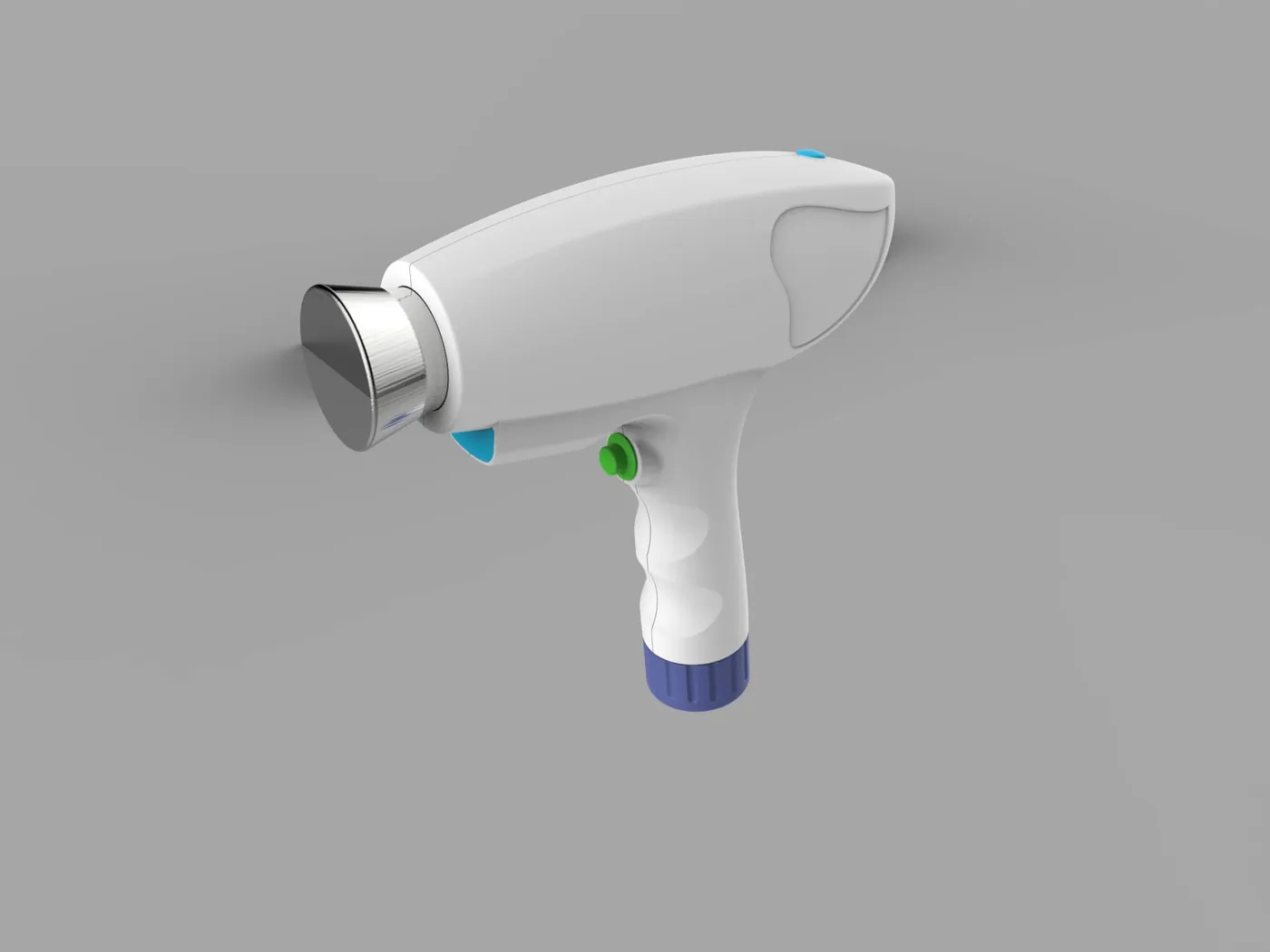
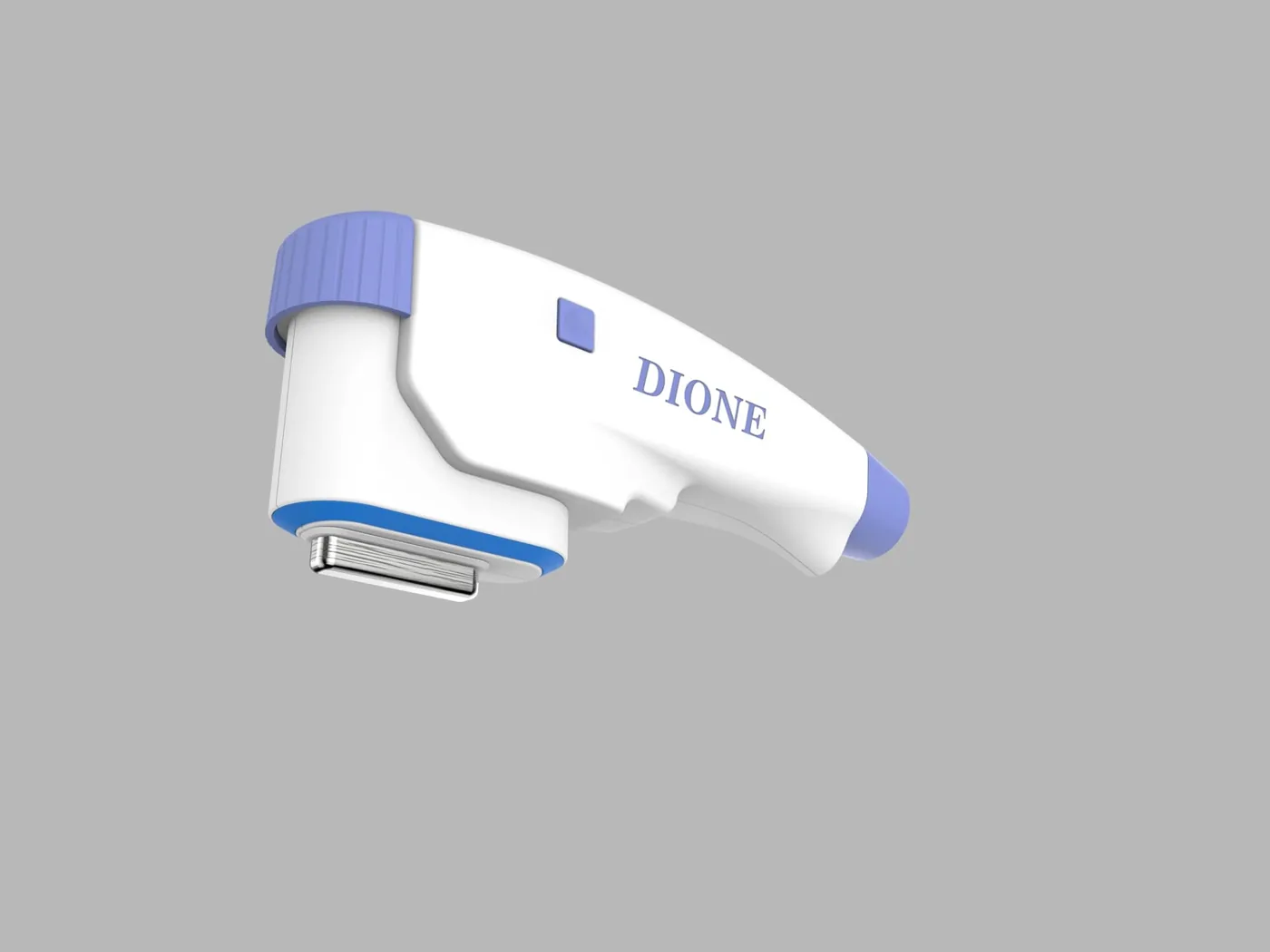
The handpiece emits monopolar radiofrequency energy, which passes through the epidermis and raises the temperature in the dermis to a range of about 45 to 60 degrees. So it is the tissue underneath that heats up, not the surface, which is why the treatment does not leave a visible mark.
The effect happens in two stages. The heat causes immediate contraction of existing collagen fibres, which gives a feeling of tightness right after the visit. The second stage is remodelling: the raised temperature triggers fibroblasts to produce new collagen, and that process is measured in weeks.
The epidermis is cooled at the same time, and the handpiece has a temperature sensor. This is not an addition for comfort, but a safety requirement, because without temperature control the same mechanism leads to a burn.
Who it suits and who it does not
Often chosen
Mild laxity of the skin on the face, neck or décolletage.
Skin that has lost elasticity but has not yet changed contour.
Maintaining the effect after other firming treatments.
Tightening the skin on the abdomen or arms after a change in body weight.
People who cannot afford any healing time.
Usually not this method
Advanced laxity and a clearly sagging facial contour, where more deeply acting methods are needed.
Loss of volume in the cheeks and temples, because warming the skin does not restore it.
Scars, stretch marks and a marked change in texture, where microneedling RF tends to be more effective.
Expecting a result comparable to a surgical procedure.
Radiofrequency is also used after body contouring treatments, to work on skin tightness in the area where volume has been lost.
How the treatment goes
Do not take painkillers before the treatment. The sensation of heat is a safety cue here: if you suppress it, the person carrying out the treatment loses feedback on temperature, and the risk of a burn increases.
When you see a change
Straight after the visit the skin can feel noticeably tighter, but this is the effect of existing fibres contracting, and it is temporary. The real change is remodelling, which takes weeks, so the result of a course is usually assessed about a month after it ends.
How long the result lasts depends on age, skin condition and lifestyle. The skin keeps ageing, so maintenance treatments are planned at intervals of several months. We do not state in advance how much the skin will tighten, because this depends on the starting point, and with advanced laxity the improvement can be modest.
Contraindications
This method has more restrictions than a care treatment, because it works with energy passing through the tissues. The qualification includes questions about implanted devices, implants and chronic conditions.
If a filler has previously been administered in the treatment area, a consultation with a doctor is needed before the treatment. When working on the abdomen, menstruation is a reason to reschedule the appointment.
Photos of thermolifting results
A before and after photo only has value when the framing, lighting, facial expression and time interval are identical. Without that, it shows a difference in the conditions of the photo, not in the skin. With radiofrequency thermolifting, where the change is subtle and spread out over time, the temptation is greatest, and it is easiest to mislead.
During the consultation we show what can realistically be achieved from a given starting point, and we say when the method will not be enough.
The questions we are asked most often
Does radiofrequency thermolifting hurt?
The treatment does not require anaesthesia. During it you feel a build up of heat, distinct but bearable. Tell the person carrying out the treatment straight away if it becomes too hot, because how you feel is a cue for them.
Why can't I take a painkiller before the treatment?
Because suppressing the sensation of heat removes the most important feedback. The person carrying out the treatment also adjusts the power based on what you feel, and without that the risk of a burn increases.
How much does the treatment cost?
The cost depends on the area and the number of sessions, and we keep all current prices in one place, in the cosmetology treatments price list. We discuss the cost of the whole course at the consultation, before the first treatment.
How many treatments do I need?
A course of several treatments is usually planned, hence the packages of three and five in the price list. The exact number and the intervals between them are set by the cosmetologist after assessing the skin, because they depend on the starting point and the area.
When will I see the result?
The tightness straight after the treatment is temporary. New collagen forms over the following weeks, so the result of a course is usually assessed about a month after the last session. Disappointment after the first visit comes from confusing these two things.
Does a single treatment make sense?
As a tolerance test and a refresh before an event, yes, but do not expect a lasting change. Remodelling requires a repeated stimulus, so a single visit usually does not give an effect lasting longer than a few days.
How is it different from microneedling RF?
Radiofrequency heats the skin through an intact epidermis, so it is gentler and does not require healing. Microneedling RF delivers energy through needles, deeper and at specific points, it has greater potential for scars and skin laxity, but it involves several days of healing and a higher price.
Can I have the treatment if I have fillers?
This requires a consultation with a doctor before the treatment. Heat can affect the product in the tissue, so the decision depends on the type of filler, the area and the time since it was administered.
I have dental implants, is that a problem?
Dental implants alone usually do not rule out a facial treatment, but mention them before the visit, because they affect how the handpiece is guided in that area. Electronic devices, including a pacemaker and a hearing aid, are an absolute contraindication.
Does the treatment slim the body?
No. This method works on skin tightness, not on reducing fat tissue. Other treatments are used for body contouring, for example cavitation or EMS training.
Before you decide
Consultation with a cosmetologist
We check whether radiofrequency suits your starting point, or whether a different RF variant makes more sense. We also go through the list of contraindications, because some of them, such as implanted devices and implants, rule out the treatment regardless of skin condition. The basic consultation is free, and a detailed home care plan is a paid service according to the price list.
This material is for information and does not replace a consultation or an assessment of suitability for the treatment.