
On this page
How the needleless fractional radiofrequency treatment works
Fractionation means delivering energy not over the whole surface, but at scattered points. The treatment tip creates a network of thermal microinjuries in the skin, while the epidermis between them remains mostly untouched.
This untouched tissue is key. Regeneration of the points exposed to energy proceeds from it, which is why healing is shorter and the risk of post-treatment pigmentation is lower than with methods that work the whole surface. Rebuilding begins within a few to around fifteen days of the visit.
The second mechanism is the heat itself. Collagen contracts at a temperature slightly above 60 degrees, which gives a feeling of tightness right after the treatment, while production of new collagen continues over the following months.
Treatment parameters and operating programmes
64 micropoints
A matrix of points, each 0.1 mm in size, controlled sequentially.
4 MHz
The radio wave frequency at which the device operates.
5 to 80 Hz
The range of pulse frequencies sent during the treatment.
Above 60 degrees
The temperature at which collagen in the dermis contracts.
The device has four operating programmes: LOW, MEDIUM, FREE and SIC. They differ in depth of effect, and the choice depends on the area, skin thickness and the aim of the therapy. It is this choice, not the treatment name itself, that determines how strong the stimulus will be and how long healing will take.
Indications, or what it helps with
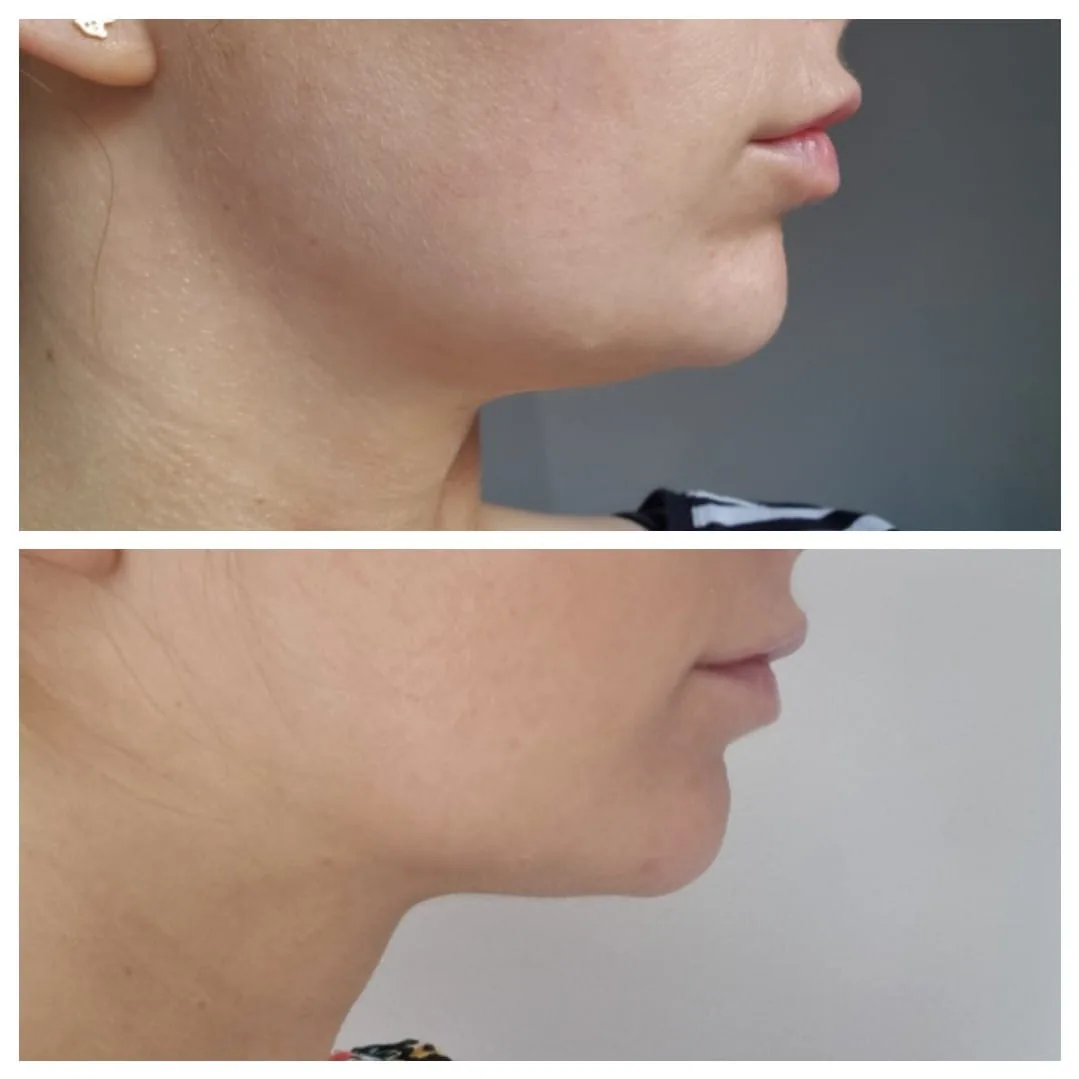
Skin laxity and change in facial oval
Remodelling and firming of the skin on the face, neck and decolletage.
Wrinkles and folds
Reduction of wrinkles and signs of photoageing.
Scars
Post-acne and post-surgical scars, including after a caesarean section.
Stretch marks
Improvement in tissue quality, usually in a series and combined with other methods.
Eye area
Work on a drooping eyelid, with lower parameters and a higher number of sessions.
Hands
Thin skin, with visible pigmentation changes and loss of firmness.
Pigmentation
Lentigo spots and uneven skin tone, after excluding changes that require a medical assessment.
Work in the eye area is possible thanks to energy control, but it requires lower parameters and a higher number of sessions than on the cheeks. With a clear excess of eyelid skin, a surgical assessment tends to be more appropriate.
The treatment step by step
The treatment takes 60 to 90 minutes, depending on the area, and usually does not require recovery time. Immediately afterwards the skin may be red and warm, with a sensation similar to that after a deep peel.
The results and when they are visible
The firmness right after the treatment comes from the contraction of existing fibres and is temporary. Rebuilding begins within a few to around a dozen days, and collagen production continues over the following months, so the result is assessed from a distance, not the next day.
The number of sessions is set by the person carrying out the treatment after assessing the skin. With minor changes one treatment is sometimes enough, whereas scars, stretch marks and clear laxity require a series. The degree of improvement cannot be stated before the assessment, and with advanced changes it can be limited.
Can it be done in summer
The treatment uses radiofrequency energy rather than light. Melanin does not absorb this energy, so a tan is not a contraindication, and the risk of post-treatment pigmentation is lower than with laser therapy. Protective goggles are not needed either.
This does not exempt you from sun protection after the treatment. Skin remains more sensitive after the thermal stimulus, so a high-factor sunscreen is required regardless of the season.
Contraindications and side effects
A filler given earlier in the treatment area requires a consultation with a doctor before the treatment. If prone to cold sores, it is worth asking about antiviral prophylaxis.
The questions we are asked most often
Is this the same as a CO2 fractional laser?
No. The principle of fractionation is similar, but the energy carrier is different: here it is a radio wave, there it is laser light. The practical differences are the ability to work on tanned skin, no need for eye protection and usually shorter healing. A CO2 laser remains a stronger tool for deep scars and is carried out by a doctor.
How much does the treatment cost?
The cost depends on the area and the number of sessions, and we keep all current amounts in one place, in the cosmetology treatment price list. The cost of the whole series is discussed at the consultation before anything begins.
Why does this treatment cost more than radiofrequency?
Because the stimulus is stronger and the tip technology is different. Radiofrequency heats the skin volumetrically, whereas here the energy is delivered in points and more deeply, causing controlled microdamage from which the remodelling proceeds.
Will it be obvious that I have had something done?
Immediately after the treatment the skin is red and warm. In most people this fades within a few hours to a day, but it depends on the programme used. With stronger parameters, plan the treatment before a day off.
Can I have the treatment in summer?
Yes. A tan is not a contraindication, because the device works with a radio wave rather than light. A high-factor sunscreen is required after the treatment, regardless of the season.
Is one treatment enough?
With minor changes sometimes yes, but scars, stretch marks and clear laxity need a series. The number of sessions is set by the person carrying out the treatment after assessing the skin, not in advance at booking.
When will I see the result?
The firmness right after the treatment is temporary. Rebuilding begins within a few to around a dozen days, and collagen production continues over the following months, so the result is assessed from a distance.
Does the treatment hurt?
We use a numbing cream, so the sensation is usually tolerable. During the treatment you will feel warmth and pinpoint pricks. Say if it becomes too much, as the parameters can be adjusted as it proceeds.
I have fillers in my cheeks, can I have this treatment?
This requires a consultation with a doctor before the treatment. The decision depends on the type of preparation, the area and the time since it was given, because heat can affect a filler in the tissue.
Before you decide
Consultation with a cosmetologist
This treatment is more expensive and stronger than radiofrequency, so it is worth checking whether your starting point justifies it. At the consultation we set the work programme and number of sessions and go through the list of contraindications. The basic consultation is free, and a detailed home care plan is a paid service according to the price list.
This material is for information and does not replace a consultation or an assessment of suitability for the treatment.