
Aesthetic medicine
PDO lifting threads, how they work and when they are considered
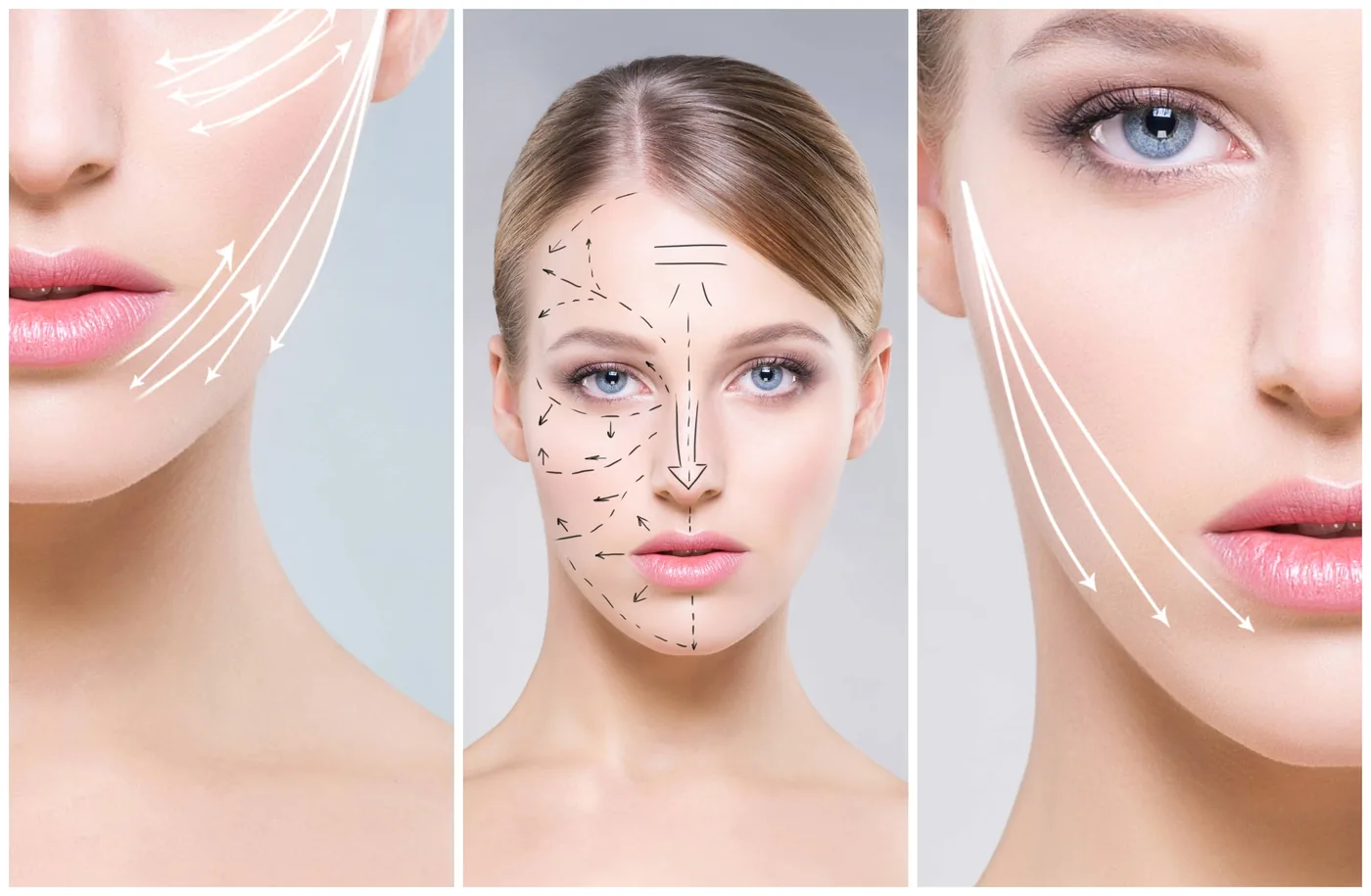
Lifting threads are one of the methods used for people who notice a loss of skin tension, a change in the shape of the face or sagging tissue. The treatment involves inserting threads under the skin, which can support the lifting of tissue and the skin's remodelling processes.
Published on 7 July 2020. Last verified on 16 August 2026.
Category
Aesthetic medicine
Treatment page
Treatment performed by
Doctor
This is not a procedure suitable for everyone. Qualification is decided by the doctor after a skin assessment, a medical history and a discussion of expectations. Relevant factors include the type of skin laxity, tissue thickness, previous treatments, chronic conditions, medication taken and contraindications.
What lifting threads are
Lifting threads are thin, specialist threads inserted under the skin in defined directions and to an appropriate depth. Depending on the type of thread and the indications, they can be used for a gentle lifting of tissue, improving skin tension or supporting its remodelling.
Aesthetic medicine uses various types of threads, including PDO threads, poly-L-lactic acid threads and threads made from other biostimulating materials. The most commonly discussed are PDO threads, made from polydioxanone. This material is gradually absorbed, and during this process the skin's natural regenerative mechanisms, including the remodelling of supporting fibres, may be stimulated. The extent of the tissue's response is individual.
Two levels of action
The first is the mechanical effect. Correctly placed threads can support tissue and improve its positioning. For this reason, the treatment may be considered for mild to moderate skin laxity, particularly in the lower part of the face, on the cheeks, the jawline and around the chin.
The second mechanism is linked to the skin's response to the presence of the threads. At the implantation site, a tissue remodelling process may begin, which supports an improvement in skin tension and structure. However, this should not be treated as a guarantee of a specific result. The effect depends on age, skin condition, lifestyle, the type of threads used and the treatment technique.
When the treatment may be considered
The treatment may be considered for people who notice:
- a loss of skin tension,
- sagging cheeks,
- a less defined facial oval,
- skin laxity in the lower part of the face,
- slight sagging of tissue around the jawline,
- a decline in skin quality,
- changes associated with the natural ageing process.
Lifting threads do not replace a surgical facelift and are not the right solution for every case of skin laxity. For more advanced tissue sagging, the doctor may suggest another approach or refer the patient for a surgical consultation.
Is thread treatment painful
Sensations vary from person to person. Local anaesthetic is intended to limit discomfort, but the patient may feel pressure, pulling or tenderness while the threads are being inserted and for some time after the treatment. We do not describe this procedure as painless, because pain threshold, tissue sensitivity and the extent of the treatment differ between individuals.
Contraindications
- pregnancy and breastfeeding,
- active skin infections at the treatment site and active inflammatory conditions,
- uncontrolled chronic conditions,
- blood clotting disorders and the use of certain anticoagulant medications,
- autoimmune diseases in an active phase,
- a tendency to form hypertrophic scars or keloids,
- allergy or hypersensitivity to the components of the material used,
- recently performed treatments in the same area,
- unrealistic expectations regarding the result.
This list is discussed individually before each treatment. Before your appointment, tell the doctor about chronic conditions, medications you are taking, a tendency to scarring, clotting disorders, active infections, previous treatments in the face area, and any planned surgical or dental procedures.
Possible reactions after the treatment
Temporary tissue reactions may occur after the treatment. The most common are tenderness, swelling, bruising, a feeling of tightness, local discomfort or skin irregularities. In some people, asymmetry, puckering, visibility or palpability of the threads, inflammation, infection or thread displacement may occur.
Most mild reactions resolve gradually, but any concerning symptom requires consultation. Contacting the practice is necessary if there is increasing pain, redness, fever, discharge, worsening swelling, sensory disturbances or symptoms suggesting infection.
Aftercare recommendations depend on the type of thread and the area. In the first few days, it is usual to avoid intensive exercise, massaging the treated area, saunas, swimming pools and high temperatures, as well as opening the mouth widely if the threads were placed on the face. The full set of recommendations is given by the doctor and is available on the lifting threads page.
Effects and how long they last
Some changes related to tissue positioning may be visible relatively quickly, but the final assessment requires time, because the tissues need a period to settle the post-treatment reaction and remodel.
How long the result lasts varies from person to person. It depends on the type of threads, the treatment technique, the area, skin condition, lifestyle, the natural ageing process and following the recommendations. For this reason, we do not give time ranges as a guarantee.
Threads versus other skin tightening methods
Threads are one of the methods used for loss of firmness and tissue sagging, but they are not always the first choice. For some patients, laser treatments, microneedle radiofrequency, biostimulators, fillers, botulinum toxin or a combination of several methods at appropriate intervals may be more suitable.
The choice of therapy results from assessing the face as a whole. Skin laxity requires one approach, volume loss another, and excessive muscle tension or qualitative skin changes yet another.
The questions we are asked most often
Are lifting threads for everyone
No. The treatment requires medical qualification. Not every degree of skin laxity and not every degree of tissue sagging will be a suitable indication for the use of threads.
Do lifting threads replace a surgical facelift
No. Threads may be considered as a less invasive method for selected patients, but they do not replace a surgical facelift, especially in cases of advanced tissue sagging.
Can you return to everyday activities straight after the treatment
Many people return to some everyday activities fairly quickly, but the post-treatment recommendations should be followed for some time. Swelling, tenderness, bruising or a feeling of tightness are possible.
How long does the result last
How long the result lasts varies from person to person. It depends on the type of threads, the treatment technique, the area, skin condition and lifestyle. We discuss the details during the consultation.
Can threads be combined with other treatments
In many cases, therapies can be planned together, but this requires maintaining an appropriate order and intervals between procedures. The decision is made by the doctor after assessing the skin and taking a medical history.
When to contact the doctor after the treatment
Contact is advisable if there is increasing pain, severe swelling, redness, fever, discharge, sensory disturbances, worsening asymmetry or other concerning symptoms.
About this text
The text was prepared by the NL Clinic team. Published on 7 July 2020, verified on 16 August 2026.
The content is for information and does not replace a consultation.
Qualification for thread treatment
During the consultation, the doctor assesses the degree of tissue laxity, facial proportions and health status, and then determines whether threads are the right method or whether it is better to start with another one.