
Technologies and equipment
Thermal lifting, the kinds of technology and how they differ
Thermal lifting involves controlled heating of the deeper layers of the skin to stimulate fibroblasts into producing collagen and elastin. However, the same goal is achieved in different ways, and each of them acts at a different depth.
Published 25 November 2024. Last reviewed 16 August 2026.
What thermal lifting is
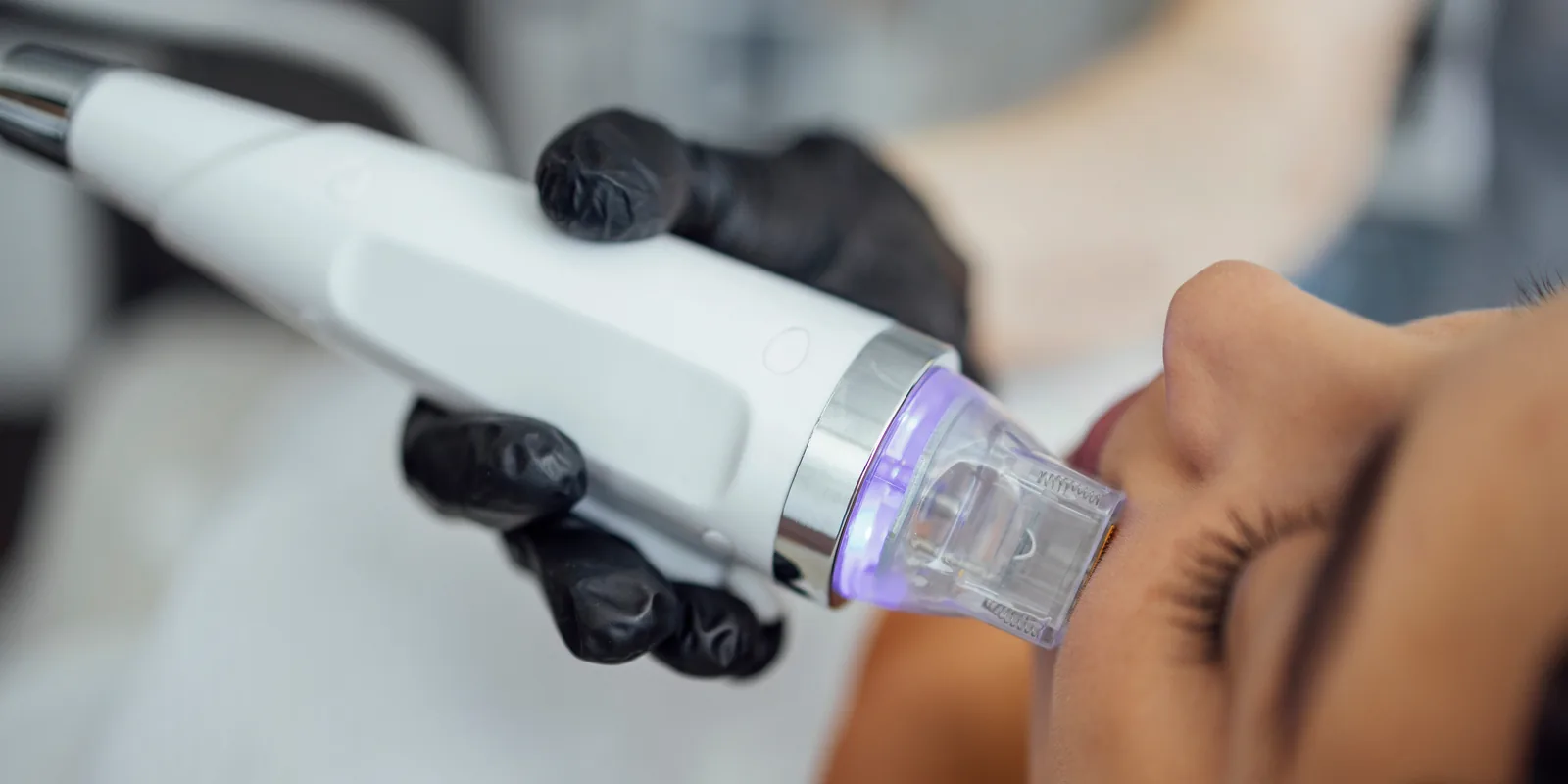
Thermal lifting is a group of methods based on controlled heating of the deeper layers of the skin. The aim is to stimulate fibroblasts to produce collagen and elastin, the proteins responsible for firmness and elasticity. The approach is aimed at tightening the skin, smoothing wrinkles and improving the line of the facial oval.
Heat can be generated with a radio wave, light or a laser. The methods differ in the depth of action, the sensations during the treatment and the time needed to return to daily activities.
Radiofrequency thermolifting
A radio wave generates a high-frequency electromagnetic field that penetrates the epidermis without breaking its continuity, and reaches the dermis and the subcutaneous tissue. In the deeper layers, the energy turns into heat, which causes denaturation of the existing collagen fibres. The fibres contract, giving an immediate but temporary tightening effect.
At the same time, stimulation of the fibroblasts leads to the production of new collagen and elastin fibres, which translates into a gradual improvement in firmness. Improved microcirculation supports the skin's regenerative processes.
Classic RF thermal lifting
A non-invasive treatment in which the handpiece delivers energy to the deeper layers of the skin, with the temperature monitored. Heating the skin to a range of 40 to 45 degrees Celsius causes the collagen fibres to contract and triggers regenerative processes that continue over the following months.
It may be considered for people who notice the first signs of loss of firmness, fine wrinkles or slight sagging of the facial oval, and who want a treatment without a recovery period.
Bipolar and monopolar
Needle-free thermal lifting is divided into two technologies, which differ in the way energy is delivered and the depth of action.
Bipolar. Energy flows between two electrodes placed on the handpiece. It acts on the superficial and mid layers of the skin, so it may be chosen for fine wrinkles, tightening and smoothing the texture. The treatment is gentler, which matters for delicate skin.
Monopolar. Energy flows from the electrode on the handpiece to a grounding electrode, allowing deeper penetration. It acts more intensively, stimulating the deeper layers of the dermis and the subcutaneous tissue. It may be considered for more pronounced sagging and deeper wrinkles.
Fractional RF thermolifting
In the fractional version, energy is delivered in the form of microscopic thermal columns. The treatment acts on selected areas, leaving the tissue between them intact, which shortens the recovery. Fractional technology allows more intensive stimulation of the fibroblasts, which is why it may be used to work with post-acne scars, stretch marks and wrinkles.
Needle RF thermal lifting
It combines micro-puncturing with the delivery of radio-frequency energy directly to the deeper layers of the skin. The microneedles penetrate to a controlled depth, causing micro-injuries that trigger repair processes, while the simultaneous emission of radio waves reinforces this stimulus. The approach is aimed at the density and elasticity of the skin as well as smoothing wrinkles and scars.
This variant may be considered for more advanced signs of ageing. Because of its intensity, it requires a short recovery period.
IPL, or intense pulsed light
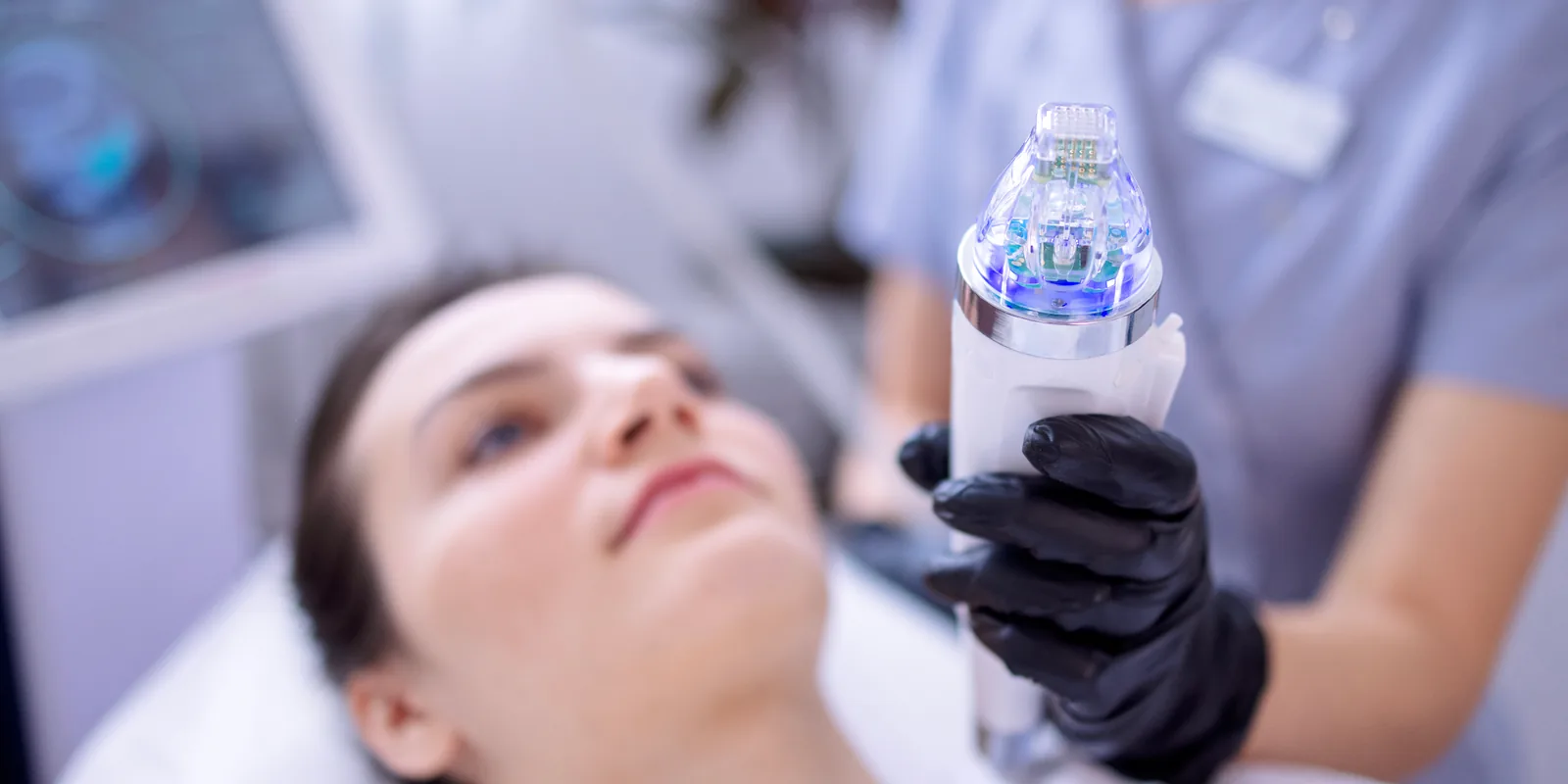
IPL uses a broad spectrum of light. The energy is absorbed by chromophores in the skin, such as melanin and haemoglobin, which leads to controlled heating of the tissue and stimulation of the fibroblasts. At the same time, IPL may be used to work with pigmentation, vessels and evening out skin tone.
This method may be chosen when, alongside skin tightening, the issue is an uneven skin tone, minor pigmentation or small vascular changes. More on how it works: the IPL renaissance.
Lasers in thermal lifting
Each type of laser works at a different wavelength, which allows the treatment to be matched to the goal.
Nd:YAG, deep thermal action. It emits light with a wavelength of 1064 nm, which penetrates deeply, heating the tissue without damaging the skin's surface. The energy is absorbed by water, and its heat stimulates the fibroblasts. It may be considered for sagging skin on the face, neck and décolletage.
Ablative fractional laser, intensive regeneration. Creates microscopic injuries in the superficial layer of the skin, surrounded by areas of intact tissue, which speeds up healing. Used for deeper wrinkles, scars and stretch marks, and for working with skin texture.
Non-ablative fractional laser, treatment without disrupting the epidermis. Directs energy to deeper layers without damaging the surface. Stimulates collagen production in the dermis, and the time needed to return to daily activities is short.
Results and how they progress over time
The first changes can be visible almost immediately after the treatment: the skin feels tighter, and superficial wrinkles may look smoothed out. This is the effect of the contraction of existing collagen fibres and is temporary.
The actual remodelling develops gradually, over 2 to 3 months after the treatment. During this time, fibroblasts rebuild collagen fibres and produce new collagen and elastin structures, which translates into firmness, elasticity and density of the skin.
How long the effect lasts depends on age, lifestyle, skin condition and individual capacity for collagen production. In the observations described, results usually last from one to two years, after which the treatment may be repeated. The scale of change cannot be determined in advance, so the scope and number of sessions are set after an assessment of the skin.
What thermal lifting will not do
None of these technologies replaces surgical treatment where there is significant excess skin. They also do not restore lost volume, as that is the task of other methods. Whether heat based treatment is appropriate in a given case is decided by an assessment of skin tension and thickness, and by contraindications, including implanted medical devices and metal implants.
About this text
This text was prepared by the NL Clinic team. Published 25 November 2024, last verified 16 August 2026.
The content is for information and does not replace a consultation.
Matching technology to the skin
At the consultation we check skin tension and thickness, contraindications and the aim of treatment, and then we suggest a method. We do not fit the skin to the device.