
On this page
Characteristics of vascular skin
The blood vessels within the dermis are delicate here, and the epidermis is thinner, which translates into lower resistance to environmental stimuli. Changes in blood pressure, inflammation and minor injuries encourage the vessels to widen and rupture.
Family factors matter: when there is a family tendency towards vessel fragility, the risk of visible vessels, commonly known as spider veins, is higher. The severity of the symptom is also affected by lifestyle, above all exposure to UV radiation, high temperature, stress and spicy food in the diet.
How the problem presents
Redness
Redness can be temporary and appear after a stimulus, but in some people it lasts longer and becomes the skin's baseline state.
Visible vessels
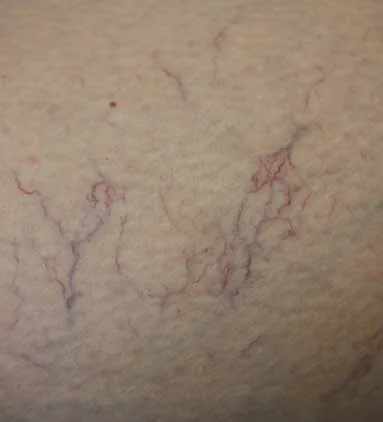
Widened vessels, described in medical terminology as telangiectasia, form thin threads or more extensive areas, most often around the nose, cheeks and chin.
Hyperreactivity and dermatological background
Skin with this tendency can be hyperreactive and coexist with inflammatory conditions or seborrhoeic dermatitis. In some people, the picture represents a stage in the development of rosacea.
When a dermatological assessment is needed
A consultation is the right first step when redness is accompanied by papules and pustules, when the changes progress quickly, when burning or pain appears, when the symptom involves the eyes, or when your current skincare makes the skin condition worse. In that case, diagnosis comes before any aesthetic treatment.
A description of the symptom does not allow vascular reactivity to be distinguished from rosacea or another condition to be excluded. Cosmetology and aesthetic treatment do not replace treatment provided by a dermatologist.
Care and prevention
Daily care is the basis regardless of whether a treatment procedure is planned. Without it, the symptom returns, and the effect of treatments tends to be shorter.
Avoiding sudden temperature changes
A sudden rise or fall in temperature makes redness worse. Lukewarm water is recommended for washing your face, and long baths in very hot water are best limited.
Sun protection
UV radiation weakens vessel walls and makes redness worse. The basis of prevention is regular use of a broad spectrum product, at least SPF 30.
Gentle skincare
Soothing products, free from irritating fragrance ingredients, and low pH cleansers that do not disrupt the hydrolipidic barrier.
Diet
The literature mentions foods rich in vitamin C and rutin. Diet supports the approach, but it does not remove vascular changes that have already formed.
Groups of methods that may be considered
Below are the directions of treatment only, without a description of how the procedures are carried out. Details of each method, preparation, reactions after the treatment and prices can be found on the treatment pages that the links lead to.
Eligibility and limitations
The choice of wavelength depends on the diameter, depth and location of the vascular change, as well as on skin phototype, medications taken and current sun exposure. With active inflammation or a fresh tan, the procedure needs to be postponed.
We do not give the number of sessions or the intervals between them before qualification. Vascular changes tend to recur, so treatment is usually carried out in a series, and maintaining the result depends on consistent photoprotection.
Possible reactions after vascular procedures include redness, swelling and temporary bruising in the treated area. We discuss the scope for a specific method, before it is carried out, together with post treatment recommendations.
Editorial responsibility
Responsible for the content
NL Clinic, Katowice
How the content is created
Last updated
15 August 2026
This material is informational in nature and does not replace a consultation or qualification.