
Laser treatments
Photoboosters before laser therapy: why it is worth hydrating the skin before a laser treatment
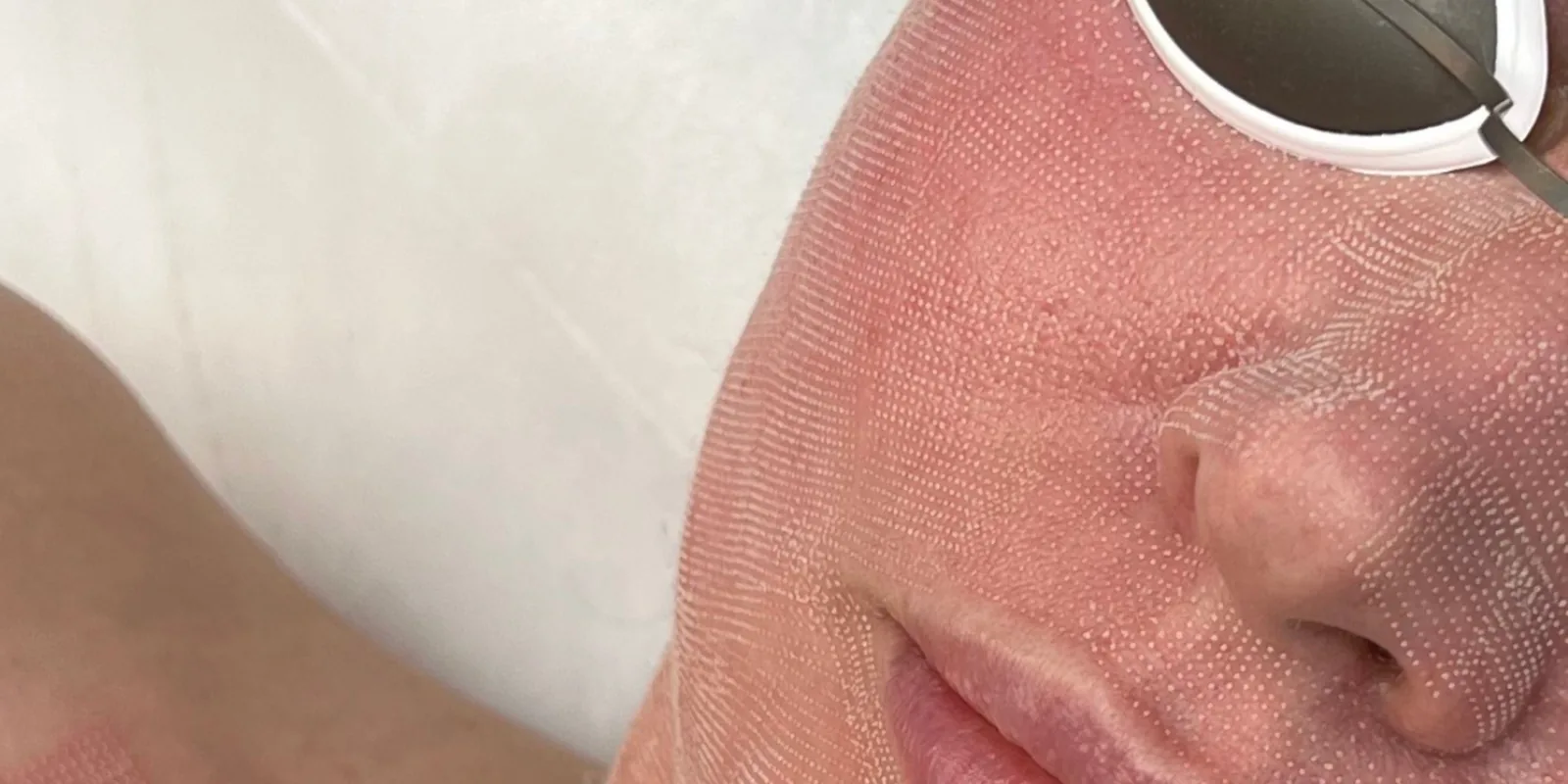
Today a laser treatment is less often treated as a single event in the clinic. From a clinical perspective it is rather a process: qualification, skin preparation, the actual procedure, and then controlled recovery and supportive aftercare.
Published on 11 February 2026. Last verified on 16 August 2026.
Category
Laser treatments
About the treatment
Author
NL Clinic team
This is exactly where the concept of photoboosters comes in, also known as skin boosters, as a stage in preparing the skin for laser therapy. This matters in particular when we use lasers whose energy acts largely through water in the tissues.
Where the popularity of photoboosters before laser treatment comes from
The popularity of this topic is not solely a matter of trend. It is largely a consequence of a shift in the philosophy of aesthetic treatment: from single, strong interventions towards sequential therapies, in which the quality of the underlying tissue is improved first, and only then is a stronger remodelling stimulus introduced.
Patients today expect not only a strong effect, but also:
- greater predictability of the post-treatment course,
- a shorter or better controlled recovery,
- lower skin reactivity,
- better comfort during the peri-treatment period.
In this context, a photobooster understood as a treatment to improve hydration and skin quality becomes a preparation element that makes clinical sense if it is carried out at the right time, in the right patient and with the right purpose.
Water as the key in laser therapy, what this means in practice
To understand the idea of hydration before laser treatment, it is worth recalling the basic principle of skin laser therapy: light energy is absorbed by specific chromophores. Depending on the wavelength, these may include melanin, haemoglobin or, particularly relevant for some resurfacing lasers, water.
In lasers that work through intensive absorption in water, the energy leads to a rapid rise in tissue temperature and, depending on the parameters, to:
- controlled ablation, that is the vaporisation of microscopic areas,
- coagulation, that is the thermal remodelling of proteins,
- triggering a repair cascade and remodelling of the extracellular matrix.
In practice, this means that the condition of the skin before the treatment, that is hydration, the integrity of the epidermal barrier, inflammatory reactivity and the tendency to transepidermal water loss, can influence:
- tolerance of the procedure,
- the nature of the post-treatment reaction,
- the patient's subjective comfort,
- the pace of the barrier's return to balance,
- as well as how predictably the skin goes through the healing phase.
It is important to clarify: a photobooster does not change the physics of the laser, but it can improve the condition of the tissue in which that physics takes place.
What a photobooster is, and what it is not
In clinical language, the term booster is sometimes used loosely for marketing purposes, which is why it is worth clarifying the definitions. A photobooster, that is a skin booster, is a treatment whose purpose is primarily:
- improving skin hydration,
- improving its elasticity and qualitative density,
- supporting barrier function and the conditions of the skin's microenvironment.
This most often applies to preparations based on hyaluronic acid with a biorevitalising profile, or other substances aimed at improving quality, depending on the protocols and the practice of the clinic.
What a photobooster is not:
- it is not a classic filler that shapes facial features, the aim is not to change volume or provide a lift in the volumetric sense,
- it is not an anaesthetic or a protective shield against the laser's energy,
- it is not a treatment that should be carried out automatically before every laser session for every patient.
A booster is an intervention that modifies tissue quality, not a trick to improve the device's parameters.
Five benefits from a clinical perspective
Below are the benefits that most often matter in practice.
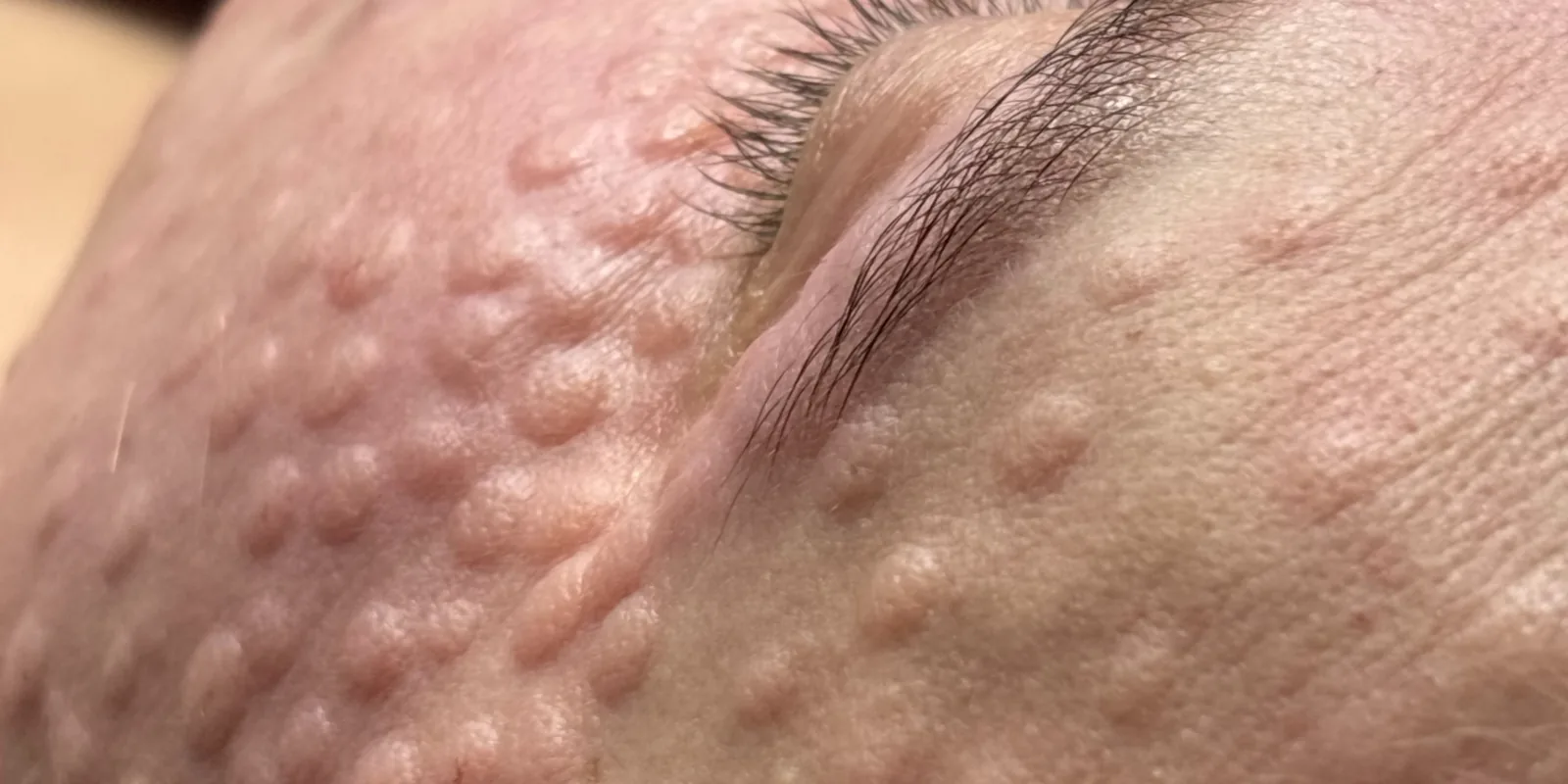
1. Better starting conditions for the epidermal barrier. Laser therapy, especially of a resurfacing nature, is an intervention after which the epidermal barrier is weakened for a certain time. Skin that is already dehydrated and reactive before the treatment may react more strongly: with stinging, redness, a feeling of tightness, or longer lasting post-treatment dryness. Improving hydration and tissue comfort before the procedure can, in such cases, be a sensible preparatory step.
2. A potentially more predictable post-treatment reaction. In aesthetic medicine, predictability is valued. Skin that is stable, less irritable and in better barrier condition more often goes through recovery in a more even way. This does not mean the absence of a reaction, because a reaction is expected, but rather a smaller amplitude of unwanted reactivity.
3. Support for skin elasticity and quality in a sequential protocol. The laser is a remodelling stimulus, the booster is a quality treatment. In many patients, combining these strategies over time, first improving quality, then remodelling, fits a logical treatment model: first the tissue's biological parameters are improved, then remodelling is intensified.
4. Patient comfort and satisfaction during the peri-treatment period. In everyday clinic practice, comfort is not a trivial word. It translates into better patient cooperation with recommendations, a lower risk of incorrect skincare, for example attempts to rescue the skin with aggressive cosmetics, and a calmer psychological course of recovery.
5. Smarter qualification for the parameters and scope of therapy. If skin preparation improves its condition, that is hydration, tension and tolerance, the specialist can plan the course of laser therapy more safely. The decision is then not based on skin in crisis after the heating season, after intense sun exposure or with a neglected barrier.
Who a photobooster before laser therapy makes the most sense for
We usually see the greatest clinical value in people who have at least one of the following:
- dehydrated, thin, paper-like skin with a tendency to feel tight, especially in the autumn and winter period,
- a weakened barrier, that is frequent stinging after cosmetics, irritation erythema, overreactivity,
- fine lines and loss of elasticity, where the goal is to improve quality rather than only localised correction,
- planned resurfacing procedures, where recovery is meant to be controlled as well as possible,
- previous experience of a longer period of dryness and discomfort after energy-based treatments, which should not be confused with complications.
In people with active inflammation, a recent skin infection or significant contraindications, the priority is treatment and stabilisation first, not preparation with a booster.
When to have a photobooster before laser, the logic of time intervals
In clinical protocols, two goals are key: to allow the skin full adaptation after the booster, and to start laser therapy at the point when the skin is stable, not during the phase of a fresh post-treatment reaction after injections.
In practice, therefore, the approach most often used is one where the photobooster is a preparatory stage carried out with sufficient lead time, and laser therapy follows as the next step of the plan.
The exact interval depends on:
- the type of laser, ablative or non-ablative, fractional or non-fractional,
- the intensity of the planned procedure,
- the patient's skin reactivity,
- the type of preparation and the technique of administration,
- a history of a tendency to swelling, erythema and post-inflammatory pigmentation.
There is no single golden rule for everyone. There is, however, a principle of planning the sequence so that the skin does not have too many stimuli overlapping in a short time.
The questions we are asked most often
Does a photobooster before laser make the laser work better
Laser works according to the physics and parameters of the device. A photobooster, however, can improve the skin's condition, and this can be important for comfort and the course of the post-treatment period. The most accurate way to put it: a photobooster does not replace laser, but it can create better biological conditions for sequential therapy.
Should everyone have a photobooster before laser therapy
No. For some patients, proper barrier care and photoprotection before the treatment are enough. A photobooster makes the most sense when the skin is dehydrated, reactive, of reduced quality, or when more intensive procedures are planned and a more stable base is needed before them.
How long before laser is a photobooster done
This depends on the type of laser, the patient's skin and the practice's protocol. The key rule is: laser is carried out once the skin has become stable after the booster, not during the phase of a fresh post-treatment reaction.
Can a photobooster and laser be done in one visit
Such strategies are sometimes considered in specific protocols, but they are not a universal solution. In clinical practice, a sequence with an interval is more often preferred, to limit the overlapping of stimuli. The final decision rests with the qualifying doctor.
Does a photobooster hurt
Sensations are individual. Patients most often describe the discomfort as moderate, depending on the area and technique. Many practices use methods to reduce discomfort.
How to care for the skin between the booster and the laser
The priority is barrier care and UV protection. Aggressive irritating ingredients are usually avoided, unless medical staff recommend otherwise in a specific plan.
About this text
The text was prepared by the NL Clinic team. Published on 11 February 2026, verified on 16 August 2026.
The content is for information and does not replace a consultation.
Plan the order of treatments
Whether the skin needs preparation before laser and how far in advance is decided by an assessment at the practice. During the consultation we establish the sequence and intervals.