
Patient guide
How to prepare for a fat transfer
Fat transfer involves taking your own fatty tissue, purifying it and injecting it into another area. Preparation affects the course of the treatment and healing, so it starts several weeks earlier.
Published 12 July 2020. Last verified 16 August 2026.
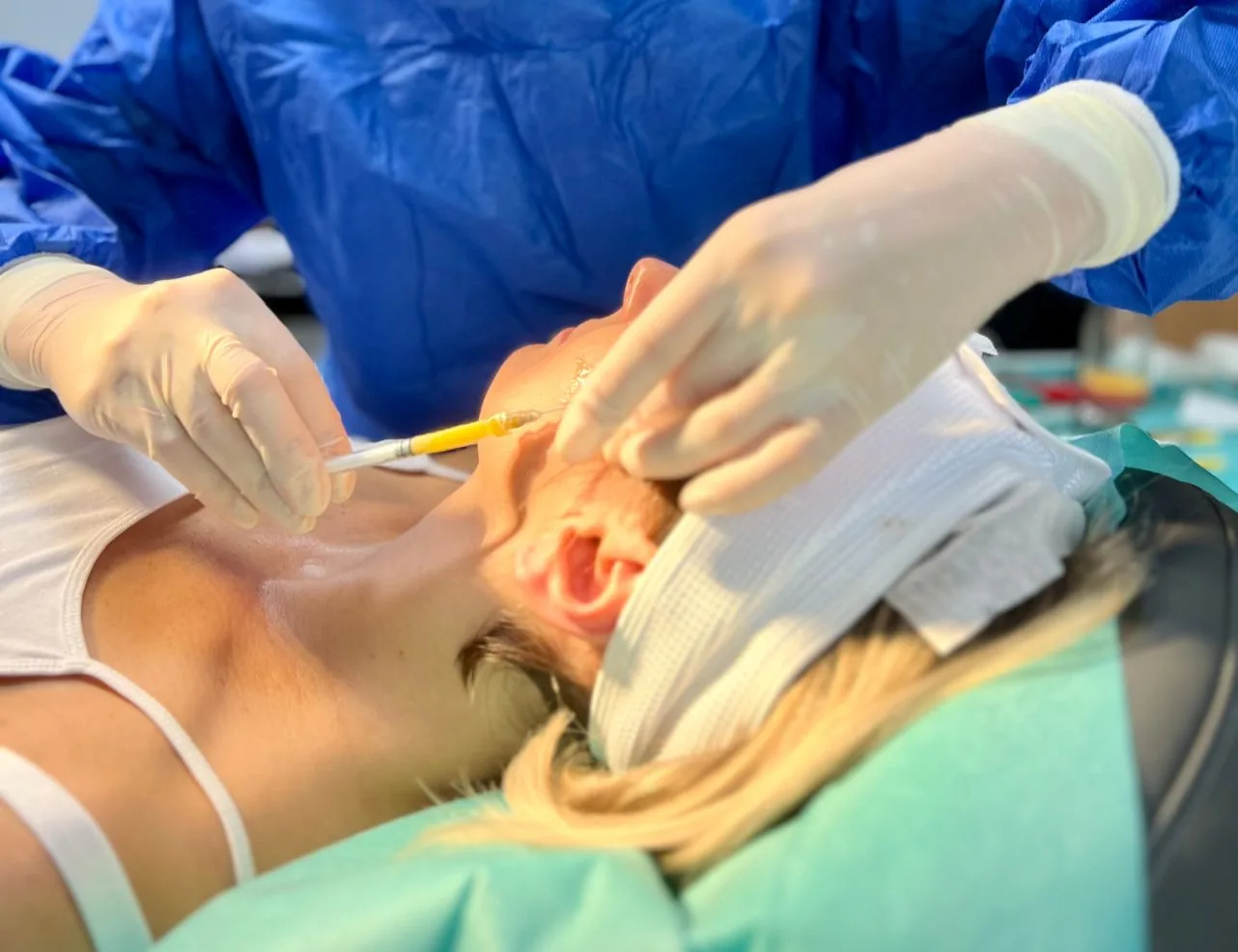
What a fat transfer is
Lipotransfer, also called a fat transfer, involves moving autologous, that is your own, fatty tissue from one area of the body to another. The fat is first taken using liposuction, then purified and injected into the area that needs correction or filling.
The treatment is used for aesthetic purposes, among others in facial volumetry and body contouring, and in reconstruction, for example of the breast after mastectomy. Because your own tissue is used, there is no risk of a reaction to a foreign material, which does not mean the treatment is free of risk.
How much of the transplanted fat stays
This is the most important information before deciding. Part of the transplanted tissue is absorbed in the first months, and the degree of volume retention is difficult to predict. In a meta-analysis on grafts in the facial region, the authors point to a high rate of absorption and unpredictable retention as the main limitations of the method (source 2).
In a systematic review covering 43 papers and 4577 patients, the weighted mean volume retention of grafts not purified by enrichment methods was around 42 per cent, with a mean follow-up period of nearly 14 months. Complications occurred in 2.27 per cent of patients, most often as asymmetry and skin irregularities (source 1).
Practical conclusion: when planning the treatment, you need to expect that the result after a year will be smaller than right after the injection, and in some cases a correction is needed. The extent of volume retention cannot be promised before the treatment.
Qualification, who can be a candidate
Qualification covers general health. Chronic conditions such as diabetes, hypertension or clotting disorders can make the treatment and healing more difficult. Lifestyle also matters: a balanced diet and physical activity support recovery.
The treatment requires a suitable amount of fatty tissue to take. People who are very slim may not have sufficient reserves, so in some cases the doctor suggests gaining weight before the treatment or another method.
The result is also affected by the condition of the skin. With excessive laxity or numerous scars, a staged approach may be needed. Age alone does not qualify or exclude a patient, but it is one of the factors that the literature links with variability in graft retention, alongside smoking and the area the tissue is taken from.
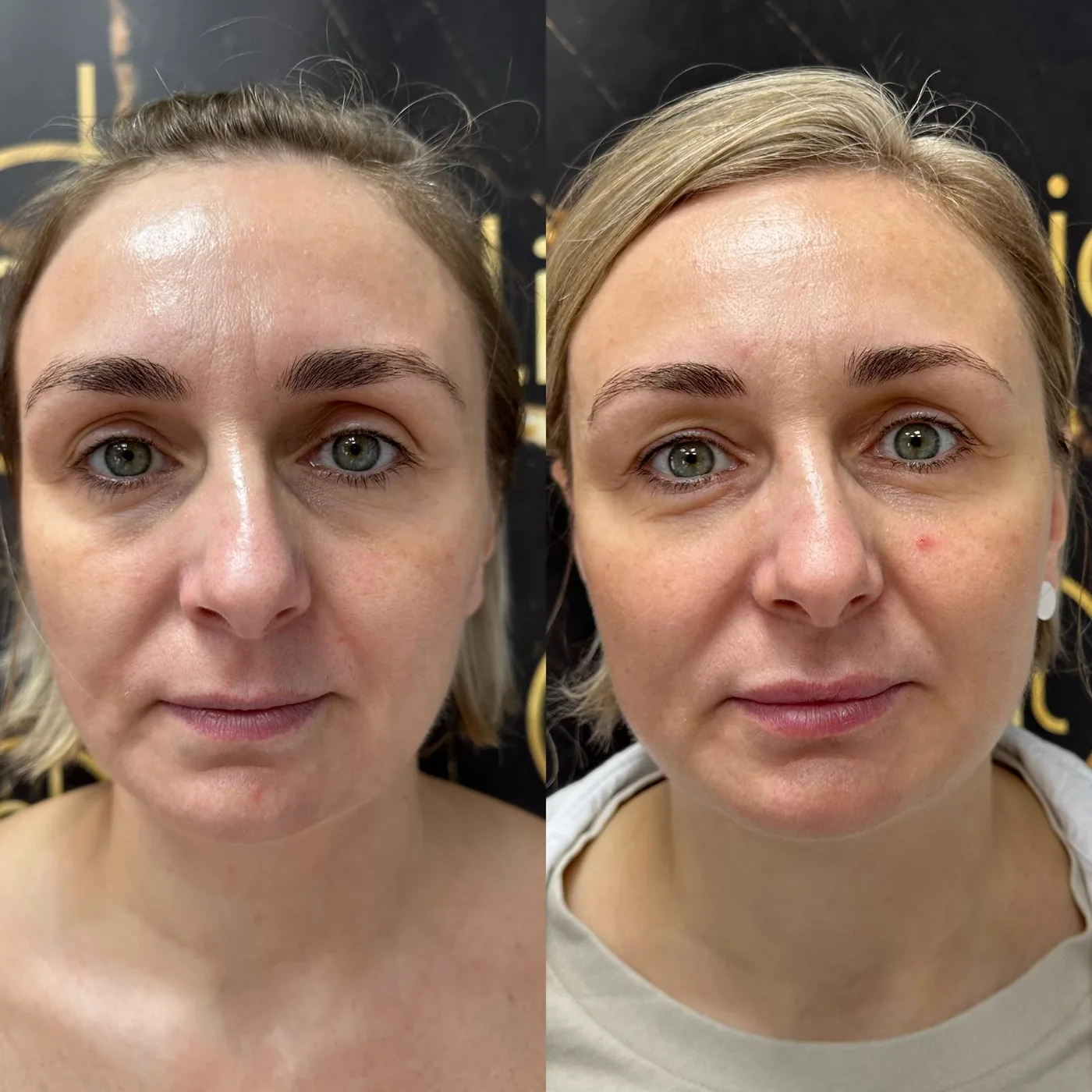
Consultation and tests before the treatment
At the consultation we discuss the aim of the treatment, your medical history, allergies, medicines taken and previous treatments. The doctor carries out a physical examination, assesses the condition of the skin and the elasticity of the tissues, and identifies the areas from which the fat will be taken. At this stage, documentation photographs are taken, which are used to compare the condition before and after the treatment.
The standard range of tests includes a full blood count, clotting tests and kidney and liver function tests. Depending on age and medical history, the doctor may order imaging tests, for example ultrasound, and in the case of a graft to the breast, a mammogram. If general anaesthesia is planned, an anaesthetic assessment is added, including an ECG.
Preparing the body
In the weeks before the treatment, the diet should provide protein, which supports tissue regeneration, as well as healthy fats, vegetables and fruit. It is worth limiting processed food, excess salt and sugar, and saturated fats, because they affect inflammatory processes. Regular meals and hydration also matter.
It is recommended to drink at least two litres of water a day, and more during physical exertion or hot weather. For a few days before the treatment, caffeinated drinks and alcohol are avoided, as they promote dehydration.
Some patients consider supplements: vitamin C, which supports collagen production, omega-3 fatty acids with an anti-inflammatory effect, zinc and vitamin E. Any supplementation needs to be discussed with the doctor, because some preparations affect blood clotting and are stopped before the treatment.
Preparing the skin
Skin in good condition copes better with the treatment and healing. Regular peels carried out a few weeks earlier remove dead epidermis and stimulate circulation. Moisturising with preparations that strengthen the lipid barrier, including those with hyaluronic acid, improves skin elasticity.
Treatments with a deeper effect are sometimes also used: microneedling, fractional laser and needle mesotherapy, aimed at skin quality before the treatment. Their role is to improve the condition of the tissue, not to increase the amount of fat retained, because this has not been shown.
Protection against UV radiation counts separately. It is recommended to avoid direct sun exposure and to use a high factor sunscreen for at least four weeks before the treatment, especially when the target area is the face or décolletage.
Medicines, supplements and habits before the treatment
- Aspirin and other anti-inflammatory NSAID medicines: stop at least two weeks before the treatment, because of the risk of bleeding.
- Supplements that affect clotting: vitamin E, fish oil, ginkgo biloba and herbs, including garlic, ginger and ginseng.
- Cigarettes: nicotine impairs circulation, which slows healing and increases the risk of complications.
- Alcohol: stop at least a week before the treatment.
- Intense physical exertion: no training for a few days before the treatment.
The full list of medicines and supplements to stop is set by the doctor based on your medical history. Do not stop any medicine prescribed by another doctor on your own.
The day before and the day of the treatment
On the day before the treatment, the diet should be light and easy to digest, based on protein, vegetables and complex carbohydrates, without heavy or fatty food. Hydration also matters for the course of the anaesthesia, so alcohol, energy drinks and coffee are avoided.
It is worth preparing a resting place beforehand: a comfortable bed, the medicines prescribed by the doctor within reach, water and simple snacks, and also arranging for a close person to help in the first few days.
On the day of the treatment, if general anaesthesia is planned, you arrive having fasted, as advised by the doctor. The staff go through the course of the procedure again and answer questions, and the anaesthetist presents the anaesthesia plan. The treatment usually lasts from one to three hours, depending on the area.
Bring to the clinic your ID, medical documentation and test results, the forms passed on by the clinic, and a contact number for the person who will provide transport. Comfortable, loose clothing that does not press on the treated area will be useful, and for a treatment in the facial area, sunglasses or a head covering.
Transport and aftercare
After anaesthesia you cannot drive or use public transport on your own, so the return transport needs to be planned in advance, ideally with the help of a close person. It is good if the journey home is short and rest is possible straight after returning.
In the first 24 to 48 hours it helps to have someone present who can assist with everyday activities: preparing meals, changing dressings, moving around. This person should know the post-operative recommendations. The period of waiting for the result can also be emotionally demanding, because swelling masks the result, and the final assessment is only possible after several months.
Sources
- A systematic review of the effectiveness and complications of fat grafting in the facial region, a systematic review, 43 papers, 4577 patients, JPRAS Open, 2018. Full text
- Volume Retention After Facial Fat Grafting and Relevant Factors: A Systematic Review and Meta-analysis, Aesthetic Plastic Surgery, 2020. PubMed, PMID 31940073
About this text
This text was prepared by the NL Clinic team. Published on 12 July 2020, verified on 16 August 2026.
The content is for information and does not replace a consultation.
Doctor's consultation before fat transfer
The doctor sets the scope of the treatment, the area for tissue harvesting and the anaesthesia plan after an examination and a review of the results.