
This page covers one area
We cover fat fractions, the healing timeline and the full list of contraindications on the lipotransfer page.
The content is for information. It does not replace a consultation, an examination or an individual medical assessment.
On this page
How the skin on the hands ages
Changes in the skin of the hands are mainly caused by genetic factors and UV exposure. These lead to a gradual loss of collagen and elastin, and consequently to dryness and a reduction in subcutaneous tissue volume.
The symptoms include sagging, age spots, wrinkles and loss of firmness. The hands can age at a different pace to the rest of the body, which is sometimes why a well cared for face does not match the appearance of the hands.
It is worth noting that these symptoms have two different causes. Volume loss and a decline in skin quality are one, and spots and pigmentation are the other. There is no single method that addresses both at once.
What lipotransfer will not do here
Skin tone remains outside the scope of this method
Lipotransfer restores volume and affects tissue quality, but it does not change skin tone. Age spots and pigmentation on the backs of the hands require a different approach, mainly laser treatments, which can be a good complement to lipotransfer here.
We mention this at the start because it is the most common gap between expectation and result for this area. A hand with restored volume but unchanged spots still looks different to how the patient imagined it.
Four methods and their scope
Hand revitalisation uses four methods, each addressing different skin characteristics. Below is what each of them actually does.
Chemical peel
Removes dead skin cells, allowing the skin to regenerate. It works on texture, and the effect requires regular repetition.
Laser therapy
Reduces age spots and improves skin texture. The first changes can be visible after one session, but a course of treatments is usually needed. The only one of these methods that works on skin tone.
Hyaluronic acid
Improves hydration and volume quickly, but the effect is temporary and needs repeating every few to twelve or so months.
Fat transfer
Restores volume using the patient's own tissue and affects skin quality, thanks to the stem cells in the grafted material. The effect lasts longer, but the treatment requires tissue harvesting and recovery.
Peels and lasers work on texture and skin tone, hyaluronic acid and lipotransfer on volume. Methods from these two groups do not compete with each other, and are often used together, in a set order.
How the treatment goes
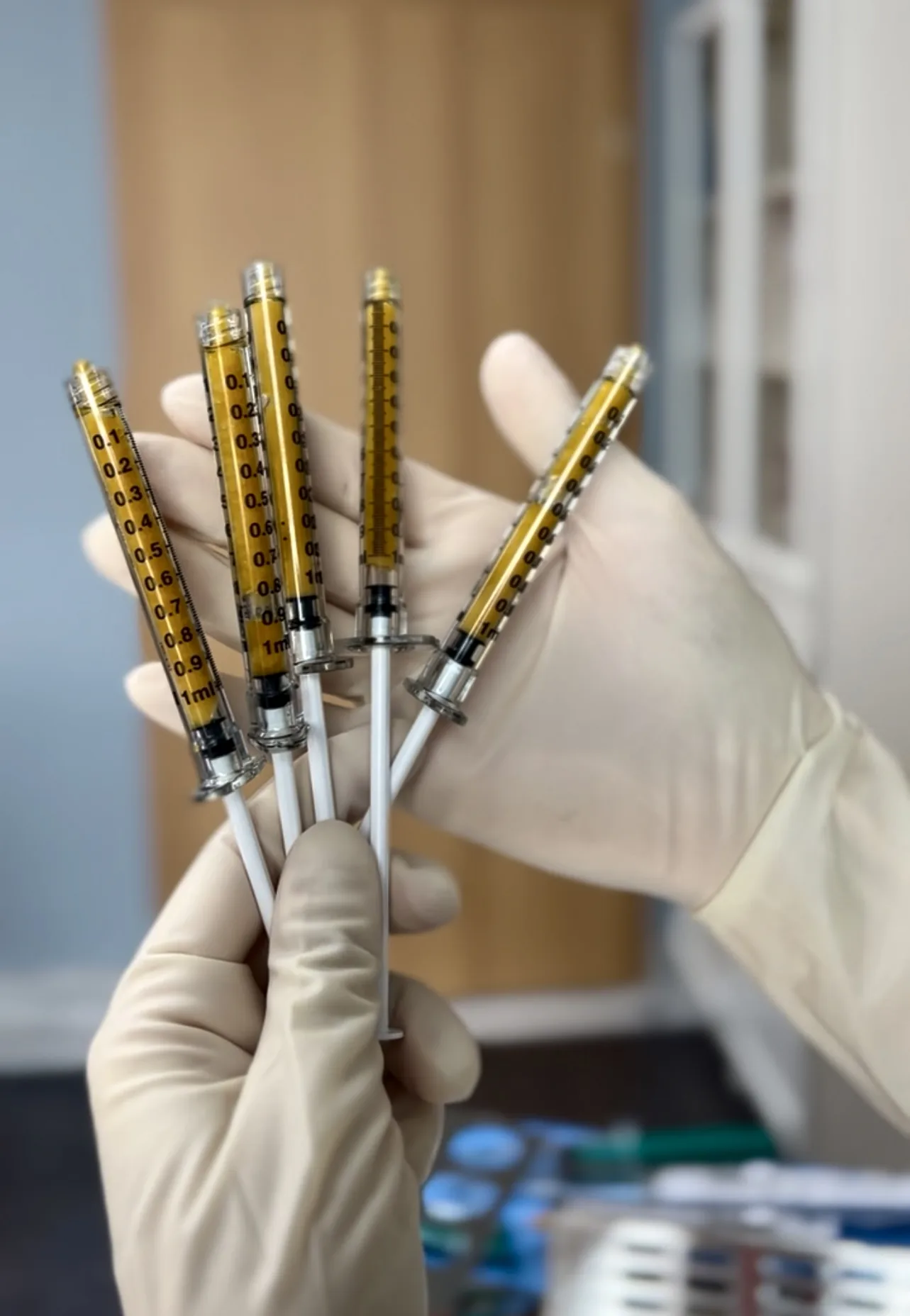
The treatment takes 60 to 180 minutes, depending on the scope, and is performed under local anaesthetic. Thin cannulas are used to inject the material into the hand.
Results and recovery
The treatment restores volume to the back of the hand, which reduces the visibility of veins and tendons, and affects skin texture. This second effect comes from the stem cells present in the grafted tissue and builds up over time.
Healing time in this area is usually short. Swelling and any bruising resolve within a few days, and a return to daily activities happens quickly. It is worth remembering, though, that we use our hands constantly, so the first few days call for some care.
The timeline for the effect to build up is the same as for the other treatments in this group: the full picture after three months. We describe the details on the lipotransfer page.
We publish photos of results only with patients’ consent and under comparable conditions: the same framing, light, facial expression and time interval. The result is always individual.
Possible complications
The most common are swelling and bruising, both at the tissue harvesting site and on the hand. They usually resolve within a few days.
Slight asymmetries between the hands are also possible, resulting from the material taking to a slightly different degree in each one. This is a limitation of a method based on grafting living tissue, not an error in the procedure, which is why we mention it before the treatment. The doctor will present an assessment of the risk in your situation at the consultation.
The questions we are asked most often
Will lipotransfer remove age spots on the hands?
No. Skin tone is the only area where lipotransfer brings no benefit. For age spots and pigmentation, laser treatments are appropriate, and they can be a good complement to this treatment. It is worth planning both if the overall appearance of the hands matters to you.
How does the skin on the hands age?
The changes are caused by genetic factors and UV exposure. These lead to a loss of collagen and elastin, and consequently to dryness and a reduction in subcutaneous tissue volume. The symptoms include sagging, age spots, wrinkles and loss of firmness. The hands can age at a different pace to the rest of the body.
Where is tissue taken from for the hand treatment?
Usually from the abdomen or thighs, and the site is agreed with the patient at the consultation. Harvesting takes place under sterile conditions, using the gentle technique of syringe liposuction.
How long does recovery take after a hand treatment?
Healing time here is usually short, with swelling and any bruising settling within a few days. You return to everyday activities quickly, though since you use your hands constantly, the first few days call for care.
What complications are possible?
Most commonly swelling and bruising, both at the donor site and on the hand itself. Slight asymmetry between the hands is also possible, resulting from differing graft take. This is a limitation of a method based on living tissue transplant, not an error in technique. The doctor assesses the risk for your individual situation at the consultation.
How does hand lipotransfer differ from hyaluronic acid?
Hyaluronic acid improves hydration and volume quickly, but the effect is temporary and needs repeating every few months to around a year. Lipotransfer gives a longer lasting effect, and the transplanted tissue also affects skin quality, but it requires harvesting material and recovery time. The choice depends on how long you want the effect to last and how much time you can devote to healing.
How much does hand lipotransfer cost?
The date, scope and final cost are set at the consultation, after qualification. With a sufficient amount of harvested material, other areas can also be treated in the same procedure, which lowers the total cost and shortens the overall recovery time.
The content is for information. It does not replace a consultation, an examination or an individual medical assessment.