
Patient guide
Eye bags and dark circles, causes and options
A sleepless night, a busy schedule and stress make the skin look tired. Under-eye bags and shadows are, however, two different problems, with different causes and different approaches.
Published 12 July 2020. Last verified 16 August 2026.
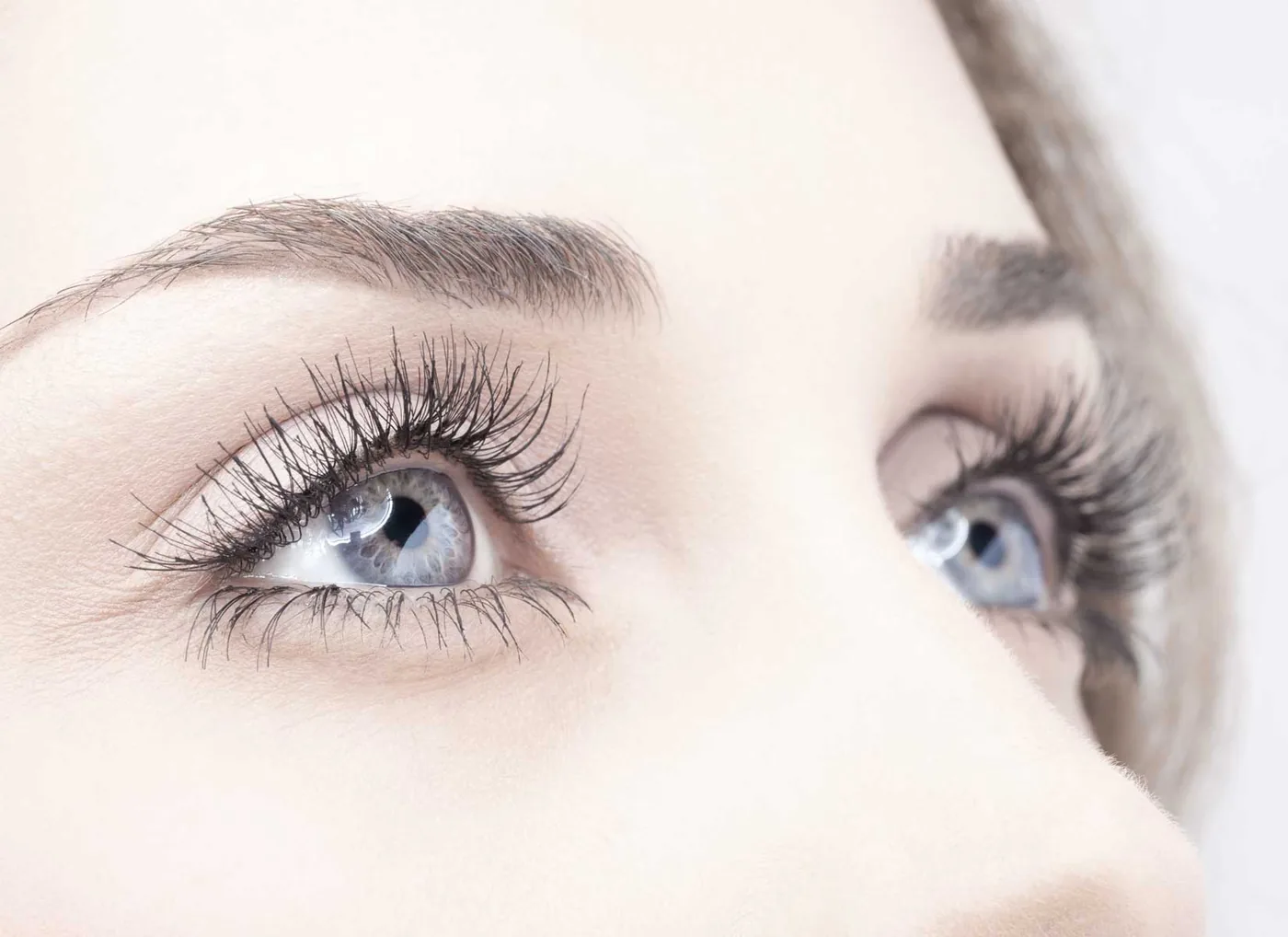
Under-eye bags, or lower eyelid swelling
Under-eye bags are swelling located around the lower eyelids. They result from lymphatic stagnation in the subcutaneous tissue and microcirculation disturbances in this area. Besides tiredness and lack of sleep, possible causes include:
- thyroid disorders and hormonal imbalances,
- certain circulatory system disorders,
- allergies,
- certain kidney disorders.
Under-eye shadows, or visible vessels
The skin in this area is exceptionally delicate and thin. With age, the fatty tissue diminishes, which deepens the changes caused by blood vessels showing through the thin skin. Shadows can also have a genetic basis: thin skin and a tendency to develop shadows are sometimes visible across generations.
This distinction has practical significance. The approach differs for swelling, for pigmentation, and again for tissue loss. This is why assessment comes before the choice of method, not the other way round.
When this is not an aesthetic matter
A tendency to develop under-eye bags can sometimes be a symptom of a systemic illness. Persistent swelling, swelling that appears suddenly or affects one side only, and swelling accompanied by other symptoms require diagnosis, not treatment. The doctor takes a medical history and rules out more serious causes before proposing an aesthetic approach.
The eye area is also a region with an increased risk of complications from injectable treatments, including vascular complications. Qualification is carried out by the doctor, and the treatment is performed with the anatomy of this area taken into account.
Treatments considered after qualification
Depending on the identified cause, the following may be considered:
- needle mesotherapy, when the problem is linked to microcirculation disturbances; the micro-punctures are aimed at improving metabolism and circulation in the skin around the eye area,
- radiofrequency thermolifting, aimed at circulation in the deeper layers of the skin and stimulating collagen production,
- hyaluronic acid filling, considered for tissue loss; it limits the visibility of blood vessels through the skin and improves skin hydration,
- autologous fat transfer, a more advanced treatment in which tissue taken from the patient is placed under the thin skin of the eye area.
None of these methods is suitable in every case, and the extent of improvement depends on the cause of the changes and the individual tissue response. With fillers and fat transfer, we discuss possible reactions before the treatment: swelling, bruising, irregularities and temporary discomfort.
What can be done on your own
The starting point remains a balanced lifestyle, adequate hydration and rest. If this brings no change, it is worth starting with a medical consultation, where we will determine whether the cause is local or systemic.
About this text
This text was prepared by the NL Clinic team. Published on 12 July 2020, verified on 16 August 2026.
The content is for information and does not replace a consultation.
Assessment of the eye area
At the consultation, we determine whether we are dealing with swelling, pigmentation or tissue loss. This determines whether a treatment is the right approach at all.